

January 14, 2026

Free Shipping On Orders Above $75


Tawakkul is one of the most beautiful concepts in Islam. It is the quiet confidence that Allah is in control, even when life doesn't unfold the way we hoped.
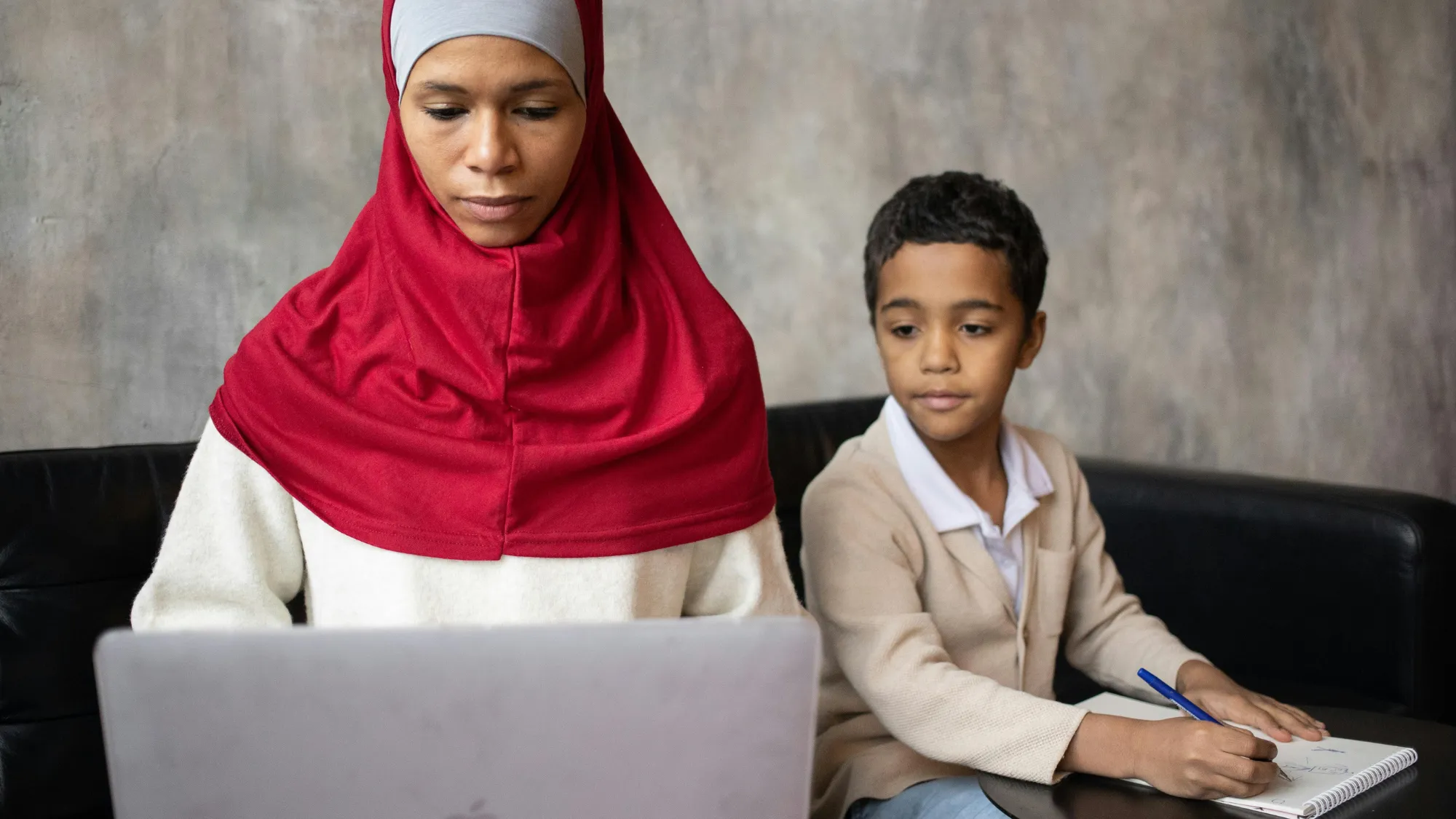
Imagine your child studying hard for an exam. They attend their classes regularly, complete their homework, and do their best to prepare. Yet when the results come back, they may still struggle in certain subjects. Moments like these are opportunities for teaching kids to trust Allah in everyday moments.
Instead of placing unrealistic expectations of perfection on our children, we can remind them that Allah has given every person different strengths and challenges. Some children excel in maths, others in writing, and others in kindness, creativity, or leadership. Tawakkul in Islam is the only thing that helps us keep moving forward with peace despite disappointments and setbacks.
It’s about teaching children that their responsibility is to make their best effort, while the outcome belongs to Allah. Teaching children to trust Allah in tough moments helps their little hearts stay calm and hopeful. Over time, they grow into adults with strong belief and reliance on Allah—who know that Allah’s decree is always for their own good. Teaching kids about tawakkul in Islam isn’t limited to what we tell them; it starts with how we react to our own challenges.
Tawakkul in Islam means having complete trust in Allah’s wisdom and mercy. It is knowing that Allah is always with us—and that He will take care of everything, even the things we cannot see or understand.
Trusting Allah is like holding a parent’s hand when walking in a busy street or sleeping peacefully knowing someone is watching over them. Tawakkul in Islam teaches little hearts that they can rely on Allah, feel safe, and stay calm, even when things seem uncertain.
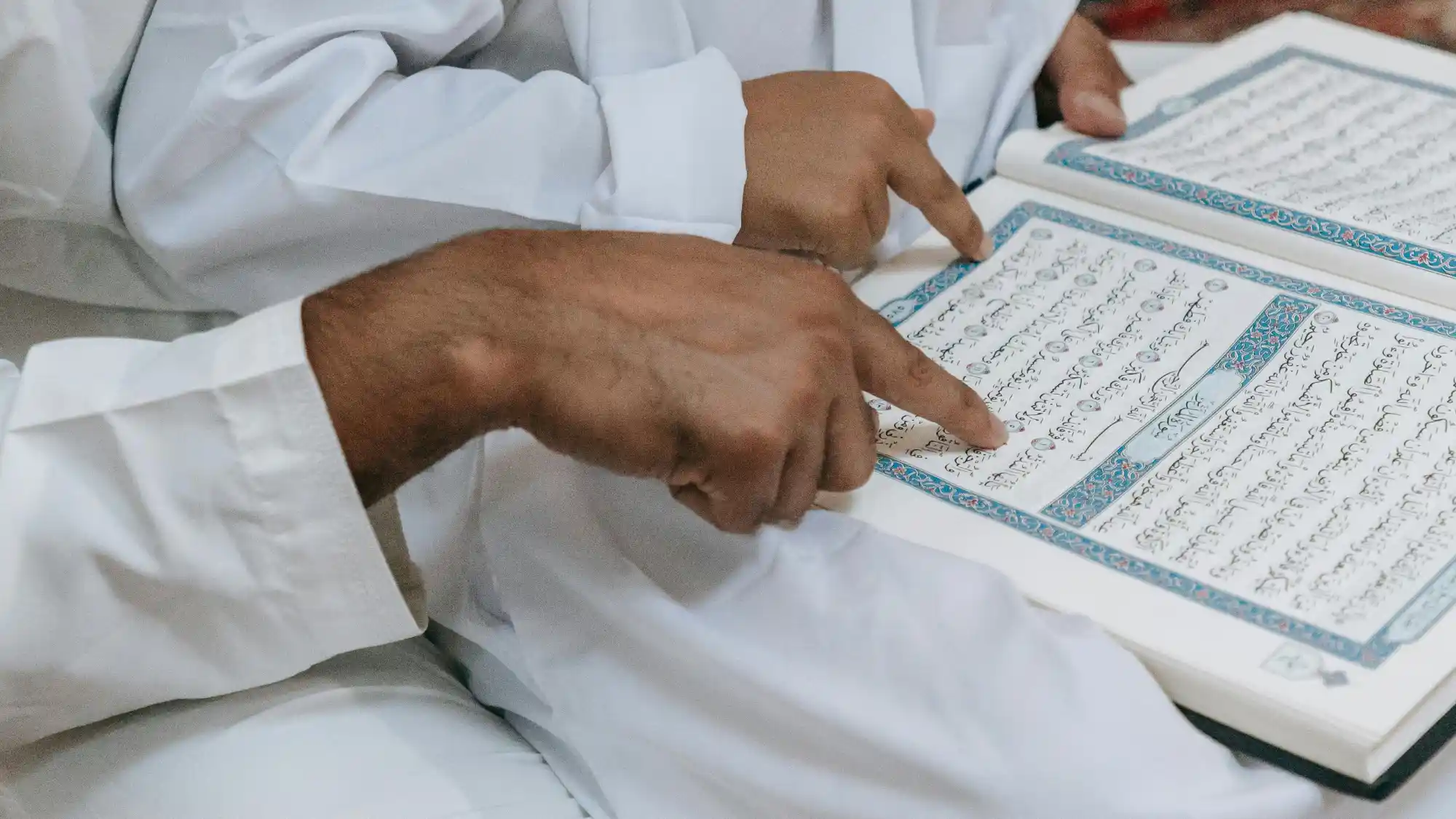
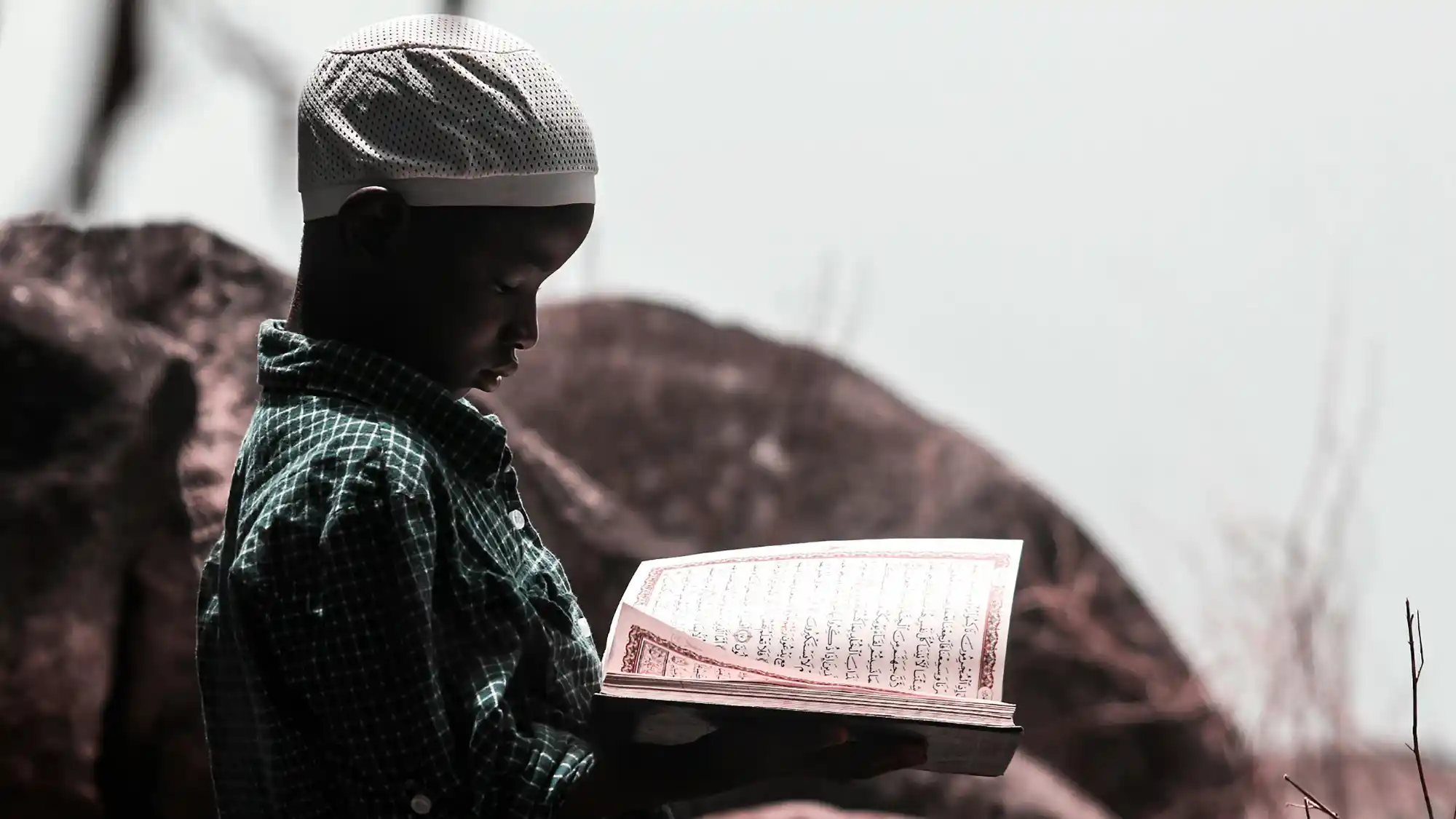
As Allah says in the Qur’an:
“فَتَوَكَّلْ عَلَى اللَّهِ إِنَّ اللَّهَ عَلَى كُلِّ شَيْءٍ قَدِيرٌ”
"So rely upon Allah; indeed, Allah is all-powerful over everything" (Surah Al-Mulk: 15).
Tawakkul can feel like a complex concept. We can teach it simply to children like telling them: "Trust Allah like you trust your parents. Because Allah loves you more than your parents." Allah will help them when they feel nervous about a test, worried about a lost toy, or unsure about making a new friend.
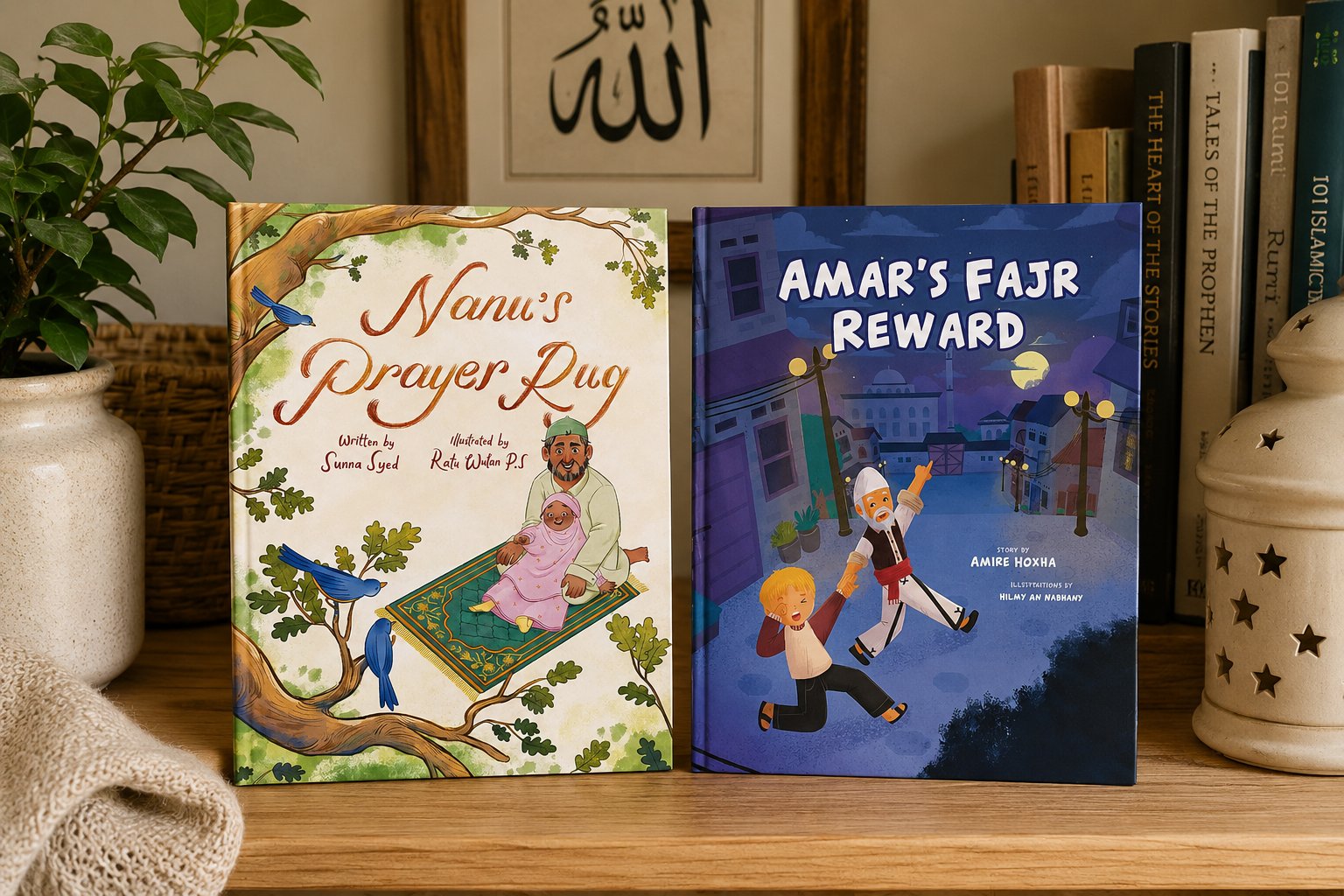
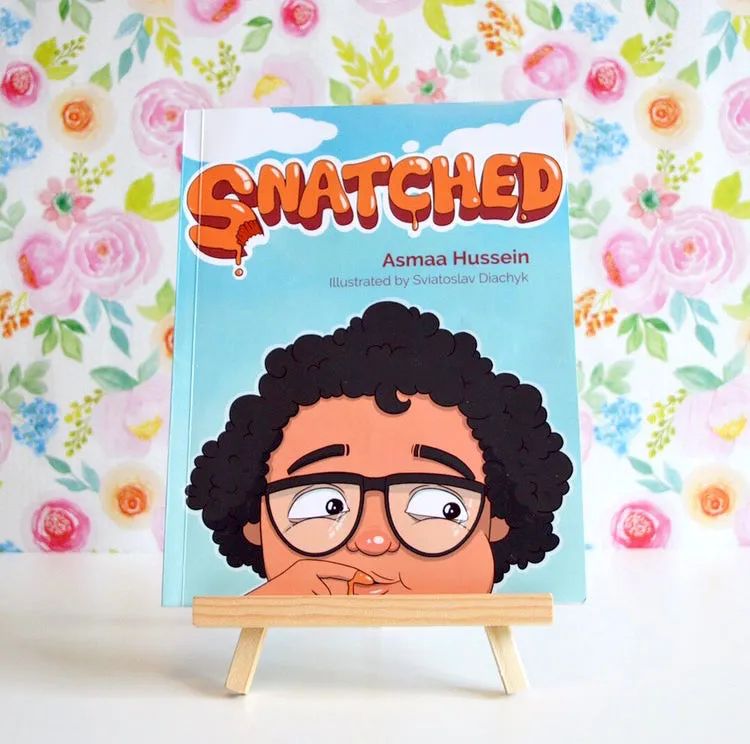
We can teach children to say a little dua when they are stressed. Teach them to trust Allah in hardships while doing everything they can. Because tawakkul in Islam is not about leaving everything to Allah without making the effort. We must work hard and then trust Allah to help us. We can also use Islamic children’s books that show young protagonists learning to trust Allah in everyday moments. Introduce trust in Allah in a way that children can feel safe knowing Allah is always near, guiding every step.
When children learn to trust Allah, their hearts feel safe and calm. Trust helps them try new things without fear. They handle small disappointments and feel confident in their choices.
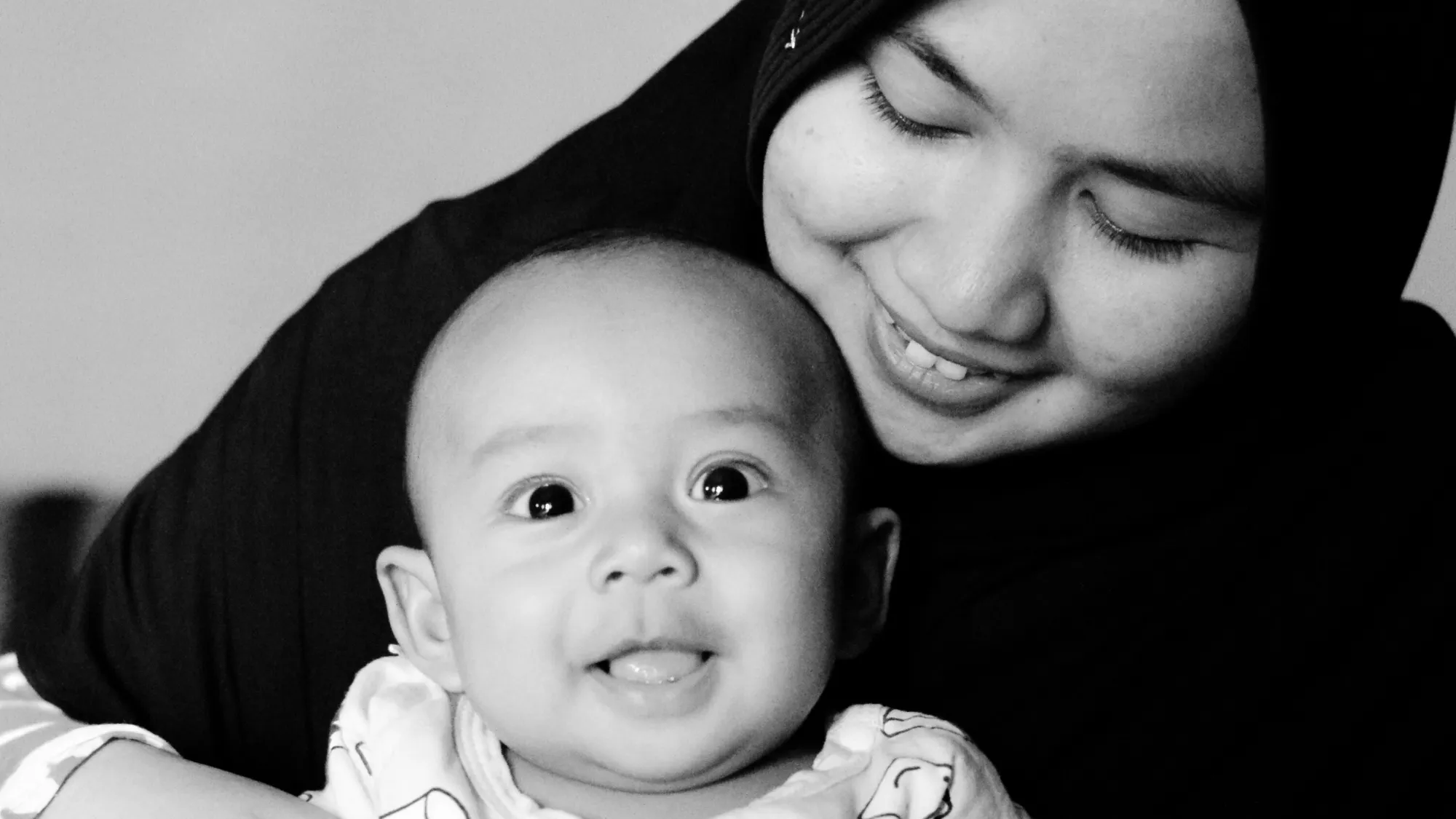
Tawakkul in Islam also deepens a child’s connection with Allah, teaching them that they are never alone. And that He is always watching over them with love and care. When trust in Allah becomes a part of daily life, little hearts bloom with patience, hope, and peace.

Building trust in Allah can start with small, everyday habits. Children should be encouraged to say a short dua before going to school. Teach them to say “Bismillah” before starting any new activity. Remind them that Allah is with them in everything they do.
Practising gratitude at bedtime is another gentle way to strengthen tawakkul in Islam. Children can name a few blessings from the day and thank Allah for them, feeling calm and content before sleeping.
Parents play a key role. When children see their parents saying duas, trusting Allah during challenges, they naturally learn to do the same. Little daily habits like these help trust in Allah become a warm, comforting part of everyday life.
The Qur’an is full of inspiring stories showing how to trust Allah. Prophet Nuh (AS) trusted Allah and built the huge Ark. Even though people laughed at him, he trusted Allah to guide and protect him.
Prophet Ibrahim (AS) was thrown into hot fire, but his trust in Allah kept him safe. Prophet Musa (AS) relied on Allah when escaping Pharaoh, and Allah parted the sea for him and his people.
Prophet Muhammad ﷺ showed us how to trust Allah in everyday life. He ﷺ taught us that we should always do our best and then rely on Allah for the results.
Prophet ﷺ said, “If you were to rely upon Allah with the reliance He is due, you would be given provision like the birds: they go out hungry in the morning and return full in the evening” (Tirmidhi 2344).
Making trust in Allah practical and playful helps children remember it.
Each day, children write one thing they are thankful for and place it in a jar, reflecting Allah’s care.
Children can write moments when they feel Allah helped them, like finishing a task or making a friend.
Parents and children can act out small challenges, practising saying a dua and trusting Allah together.
These fun activities reinforce children to trust Allah in both little and big moments.
Children learn best when they see trust in action. Model trusting Allah in daily life. Say a dua before starting tasks, remain patient during challenges, and express gratitude for blessings. Celebrate when your child practises trust, no matter how small the moment is.
Over time, these gentle lessons grow into a strong foundation of faith, helping children face life with calm hearts, confidence, and hope.
To trust Allah is a journey, and every little step counts. We can teach children how to trust Allah by reading stories that build trust and through consistent small daily habits.
When tawakkul in Islam becomes part of their daily life, children learn patience, courage, and peace. They grow into adults who face life’s ups and downs with hope, knowing Allah is always near and capable of everything.
A: Tawakkul in Islam means having complete trust in Allah’s wisdom and mercy. It is the quiet confidence that Allah is in control, even when life doesn't unfold the way we hoped. It is knowing that Allah is always with us—and that He will take care of everything, even the things we cannot see or understand.
A: Tawakkul can feel like a complex concept. We can teach it simply to children by letting them know Allah will help them when they feel nervous about a test, worried about a lost toy, or unsure about making a new friend. We can teach children to say a little dua when they are stressed. We can also use Islamic children’s books that show young protagonists learning to trust Allah in everyday moments. Introduce trust in Allah in a way that children can feel safe knowing Allah is always near, guiding every step.
A: When children learn to trust Allah, their hearts feel safe and calm. Trust helps them try new things without fear. They handle small disappointments and feel confident in their choices.
A: Tawakkul in Islam means asking ALlah for help, making our full effort by utilizing our means and capabilities, and then trusting Allah with the outcome. Laziness, on the other hand, arises from a misconception about the concept of tawakkul in Islam—it’s when you sit idle and claim to trust Allah to fix everything without making any effort yourself. This is not what tawakkul in Islam is.
A: The Qur'an repeatedly encourages believers to put their trust in Allah. The Qur'anic concept of tawakkul provides reassurance to believers in difficult days and gives them strength to face life's challenges. Allah says in the Qur’an:
“فَتَوَكَّلْ عَلَى اللَّهِ إِنَّ اللَّهَ عَلَى كُلِّ شَيْءٍ قَدِيرٌ”
"So rely upon Allah; indeed, Allah is all-powerful over everything" (Surah Al-Mulk: 15).

.svg)

.webp)

$
12.99
12.99
12.99
£
10.49
12.99
12.99
12.99
12.99
12.99
Best Seller
April 3, 2026
Best Seller
Family
Values

$
13.99
13.99
13.99
£
11.49
13.99
13.99
13.99
13.99
13.99
Best Seller
April 3, 2026
Adventure
Values

$
13.99
13.99
13.99
£
11.49
13.99
13.99
13.99
13.99
13.99
Best Seller
April 3, 2026
Adventure
Values











.webp)
.webp)
.webp)
Be the first to know about our latest books, coupons, and giveaways!


.svg)


.webp)


Sign up today and get 10% off your first order!
Use this discount code at checkout: TENOFF












.jpg)




.jpg)
.jpg)






































-min.webp)