

January 23, 2026

Free Shipping On Orders Above $75
.jpg)


The start of a new year is mostly accompanied by fresh resolutions. For Muslims, however, the connection between new year and Islam is quite different. It’s about setting intentions for consistency in small steps rather than big, unrealistic ambitions. The word for setting intentions in Islam is niyyah. Niyyah is the sincere intention in the heart to do something for the sake of Allah. It transforms ordinary actions into worship. Cooking meals, cleaning the house, teaching children, and even resting can all become acts of worship when done with a sincere niyyah.
While the new year naturally makes us reflect and realign, setting intentions in Islam is not something that happens once a year. This is the beauty of niyyah in Islam. Every day is a chance to reflect, self-assess, and renew our niyyah to align our lives with God's commands. How we start our days, how we talk to other people, what we invest in during our free time, and the means we take to support our families — every small decision in our daily life becomes a path to Allah’s pleasure with the correct niyyah. Here’s how Muslims can make setting intentions for the new year more meaningful, realistic, and productive.
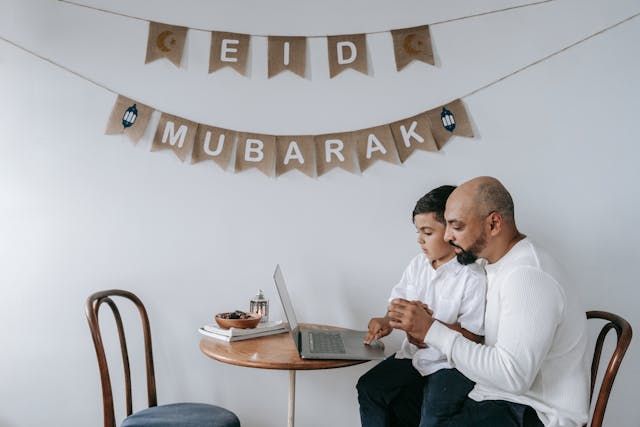
In Islam, new year is not about mere celebration or empty resolutions. Instead, it is an opportunity to realign our lives with our true purpose. This does not mean you cannot have fun on new year with your family. But we should strive to make time for sincere reflection, setting intentions for our spiritual growth, and strengthening our resolve to strive for the hereafter.
The arrival of a new year in Islam reminds us that the time for the meeting with our Lord is drawing closer. When we think about Islam and new year, it becomes less about changing everything overnight and more about renewing our purpose. The new year can serve as a gentle reminder to ask meaningful questions together. Are our homes places where Allah is remembered? Is our daily routine bringing us closer to Him?
Setting intentions is one of the most important things in Islam. It is our niyyah that decides whether our deeds will be accepted by Allah and how much we'll be rewarded for our actions. The Prophet ﷺ said:
“The reward of deeds depends upon the intentions and every person will get the reward according to what he has intended” (Sahih al-Bukhari 1).
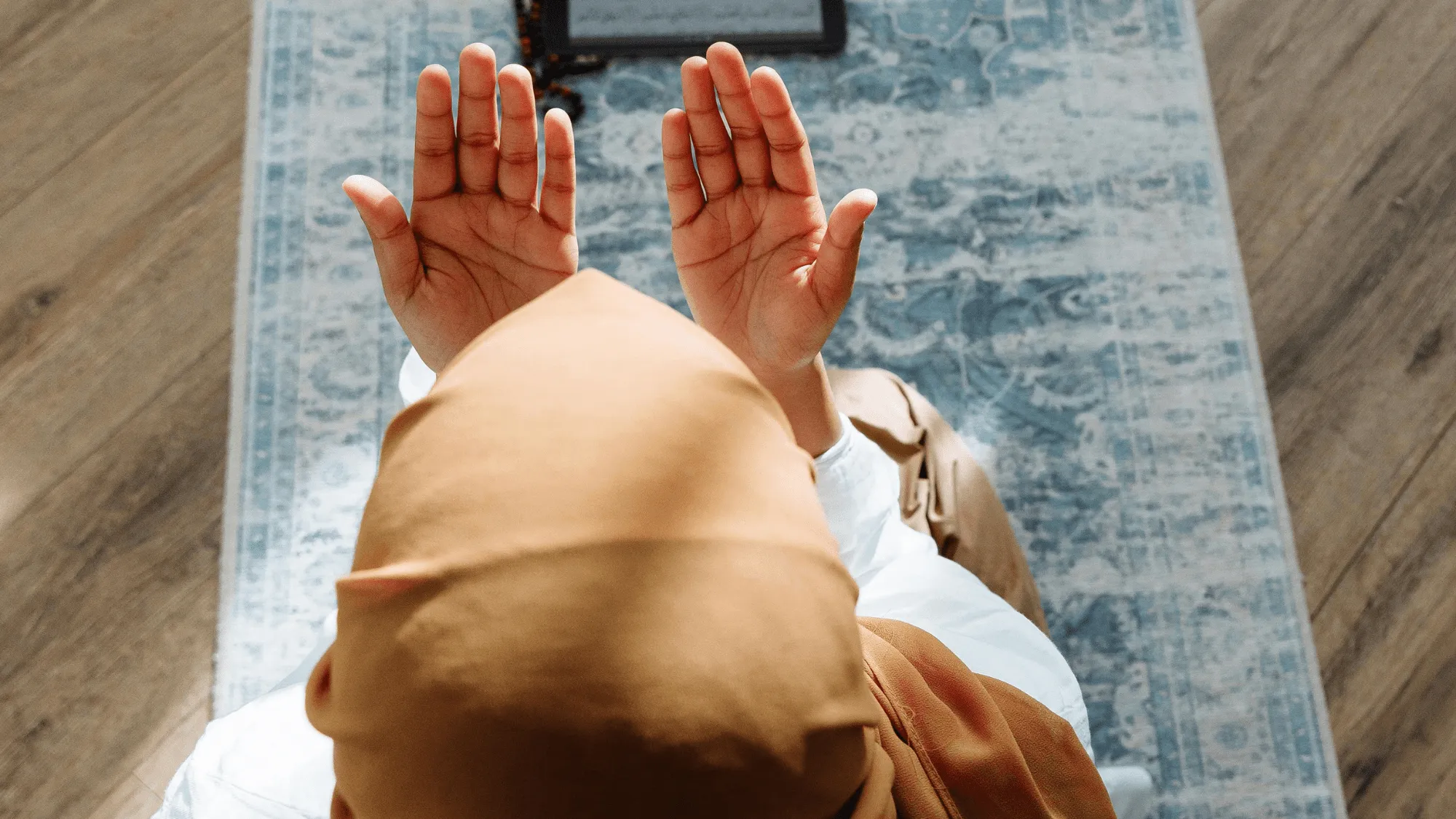
Setting intentions or niyyah in Islam begins with an honest reflection. Acknowledging one’s shortcomings and weaknesses is the first step toward improvement. The next step is to assess oneself and make a sincere intention in the heart to strive for the sake of the One who gave us everything we have. This also includes seeking Allah’s help through constant dua.

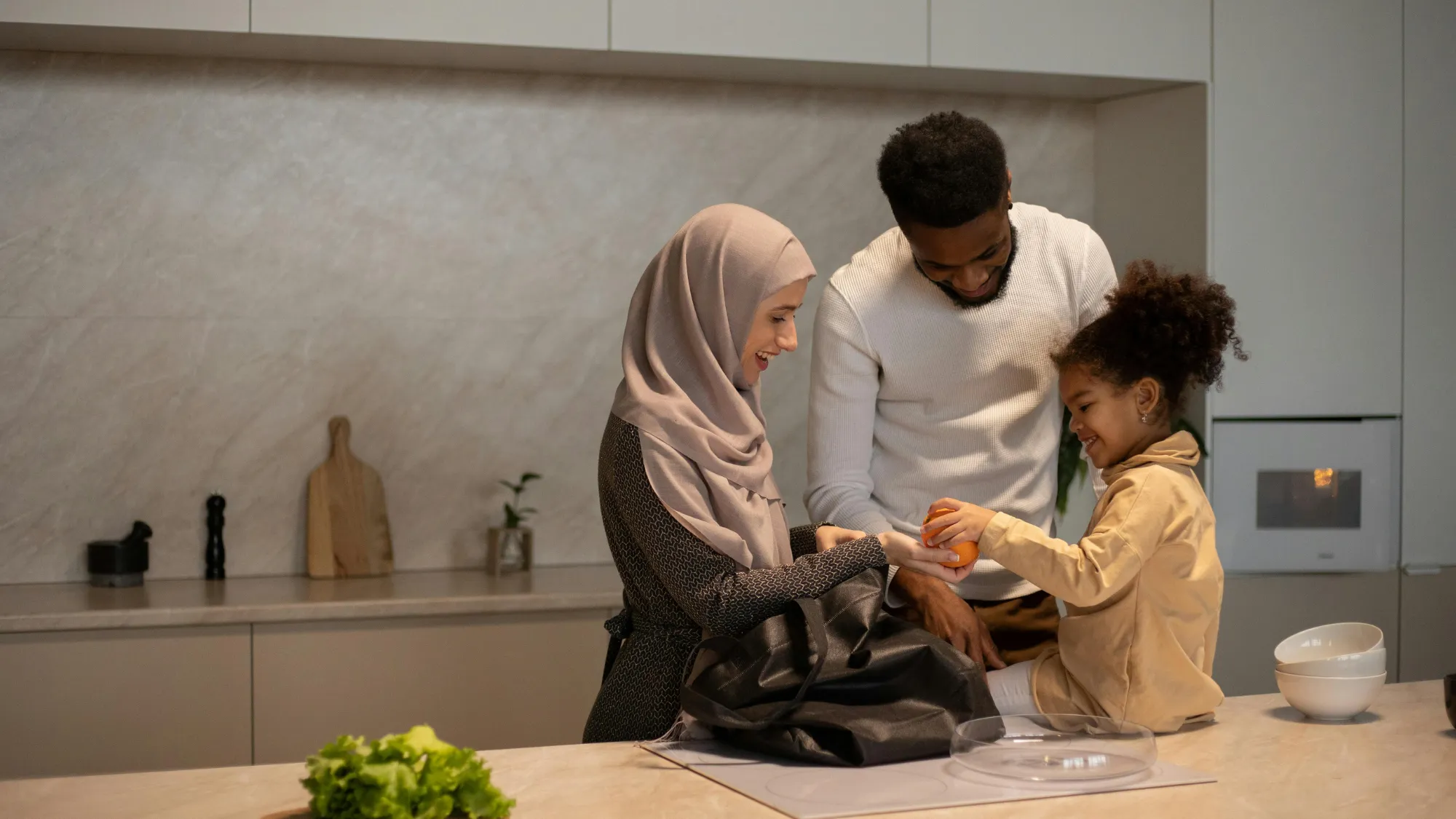
Niyyah in Islam is especially important for family life. Setting intentions for the sake of Allah helps build a home on strong foundations of trust, accountability, and taqwa (God consciousness). When we fear Allah in how we treat others, we are naturally inclined to be aware of our rights and responsibilities. This helps us practice kindness, honesty, and patience — values that are vital for a calm and meaningful family life.
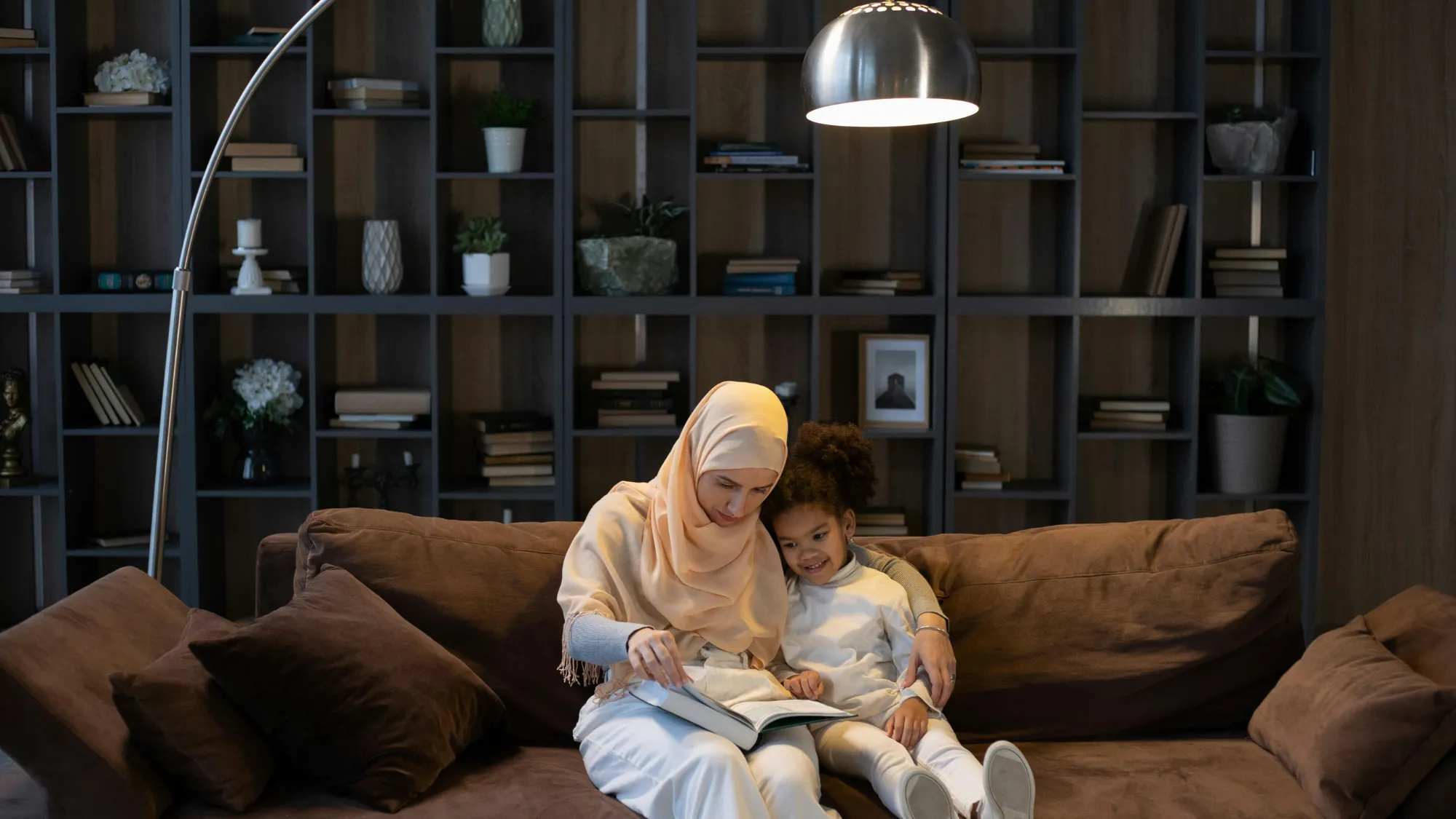
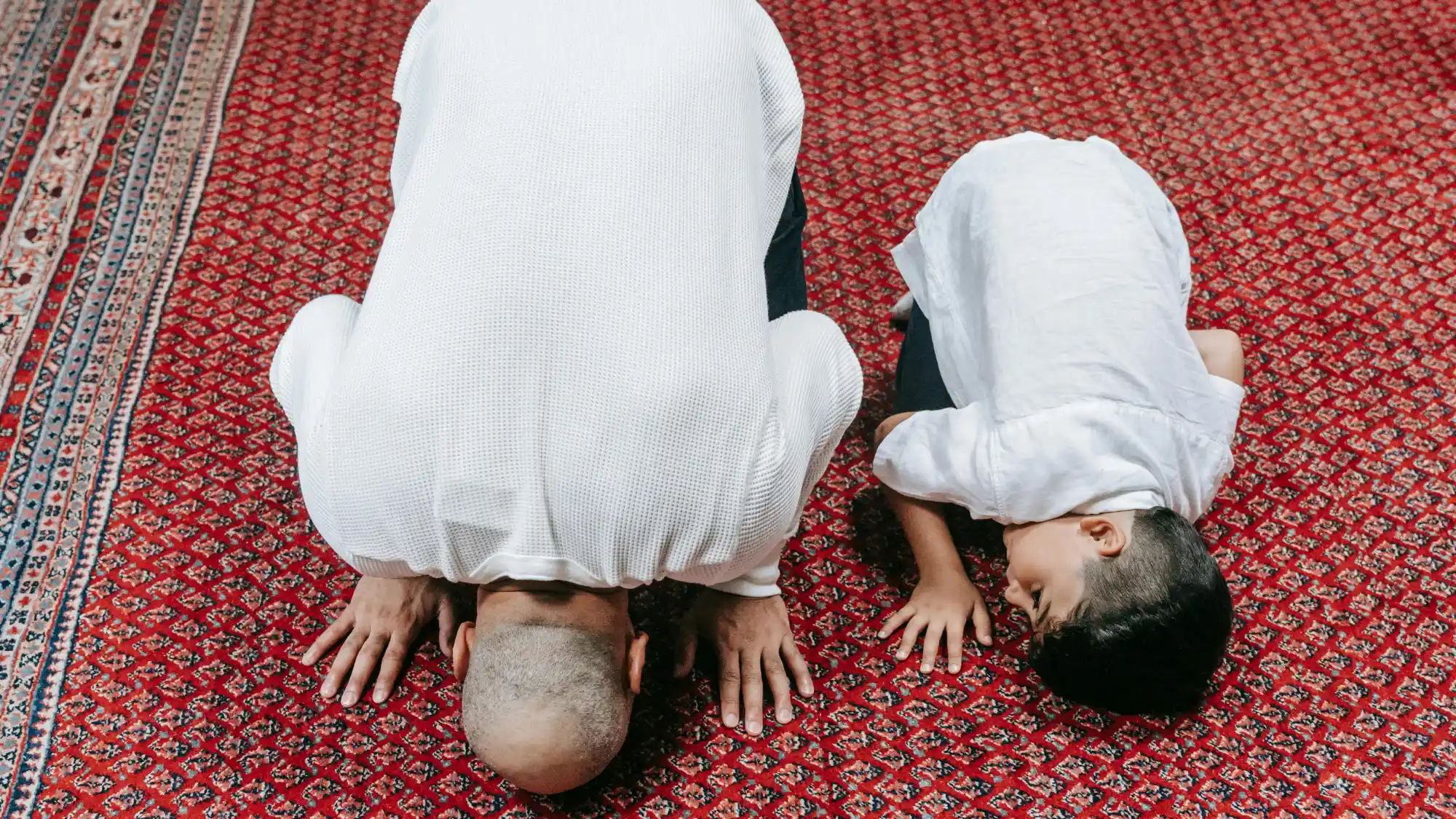
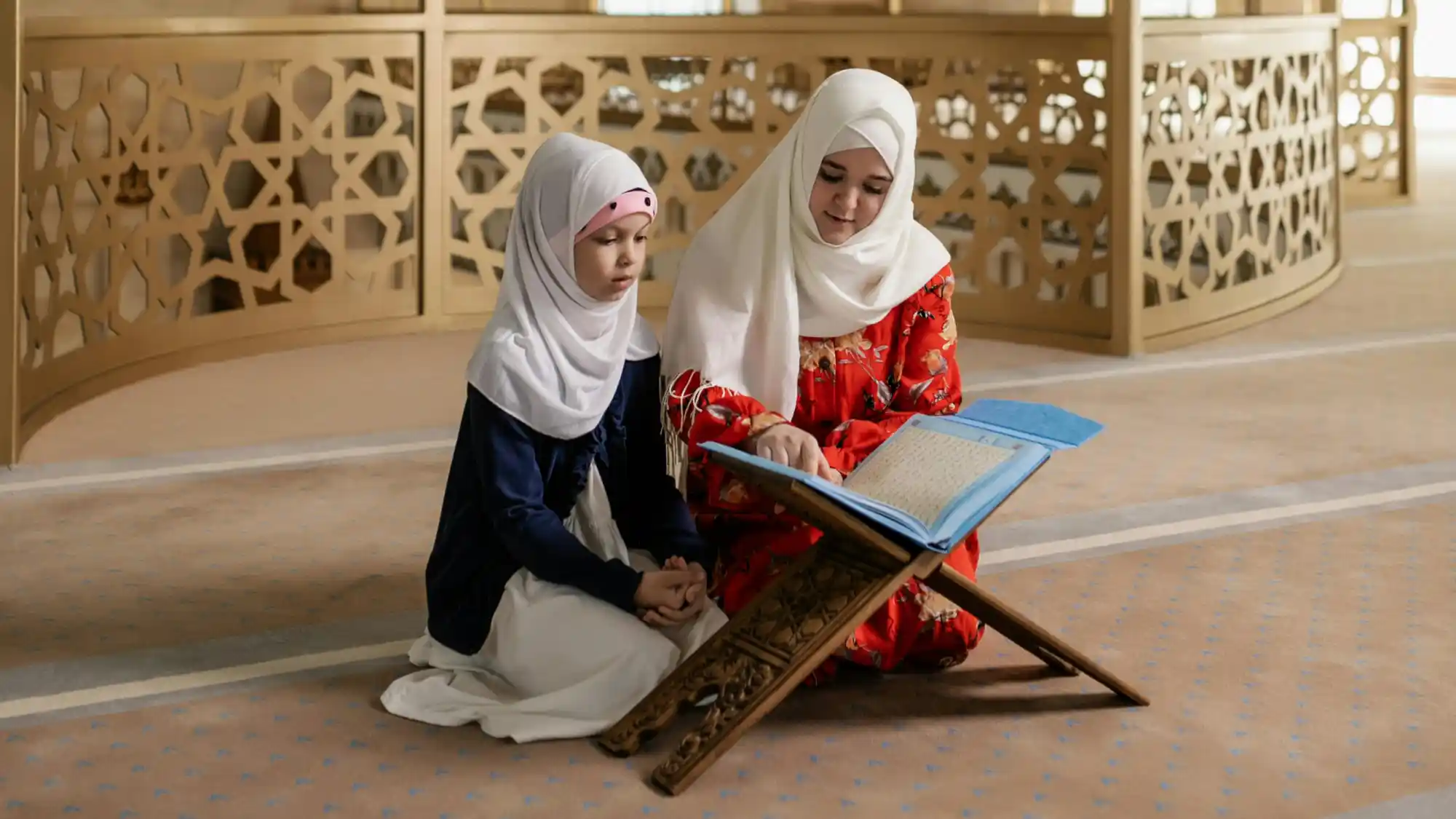
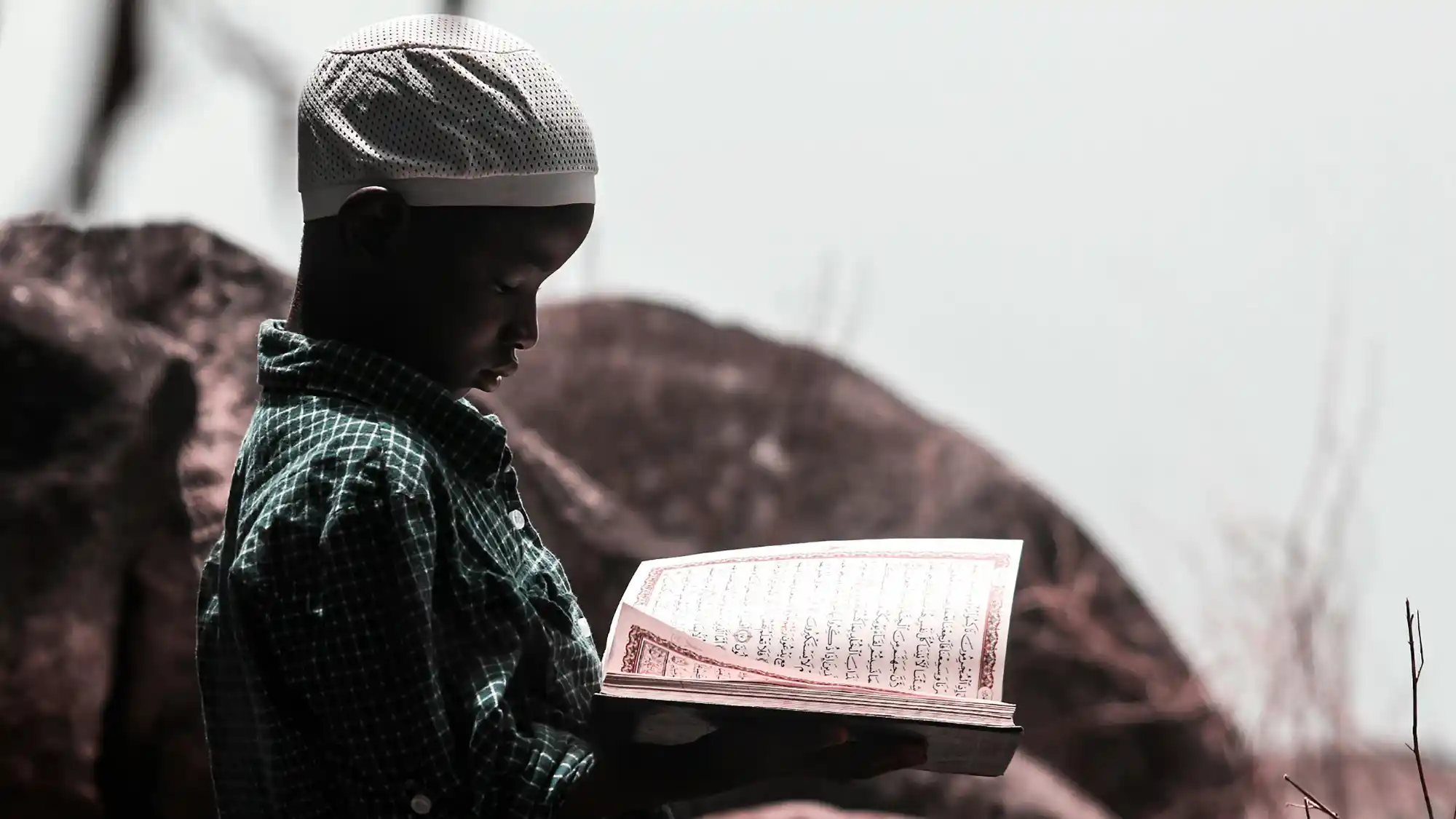
When parents are mindful of their intentions, children naturally absorb these values. We can also teach our children the importance of family time from a young age by using Islamic children’s books or praying together as a family. Dedicating a specific part of the day for family worship and making dua for gratitude at every meal also help children with setting intentions for Allah before everything they do.
Setting intentions for the new year does not require long family meetings or complicated plans. It starts with simple conversations and gentle reminders. Set new year’s ambitions that the whole family can work on together. This can include remembering Allah more often at home, reading Islamic books together, speaking kindly to one another, and making time for dua together. Here are some tips for families to focus on setting intentions for the new year:
Adopt Simple Daily Habits to Begin Tasks with Proper Niyyah
One of the easiest ways to practise setting intentions is through daily habits. These routines shape the atmosphere of the home and gently strengthen faith.
Set a goal for the new year to begin every task with proper niyyah. This doesn’t mean saying out loud why you’re doing the task. Simply pause before you start a task like cooking a meal. Remember Allah and set an intention in your heart: “I’m doing this to seek Allah’s pleasure by fulfilling my duty to my family. I will do my best for my kids because they are an amanah from Allah.”
Reciting morning adhkar is the best way for setting intentions at the start of the day. Remind yourself that everything you do during the day is for Allah. You can also teach your children a short dua to recite before going to school. Tell them how treating their classmates with kindness and their teachers with respect is a way to earn Allah’s pleasure and reward. This helps children see niyyah as something that’s lived through actions, not just words.
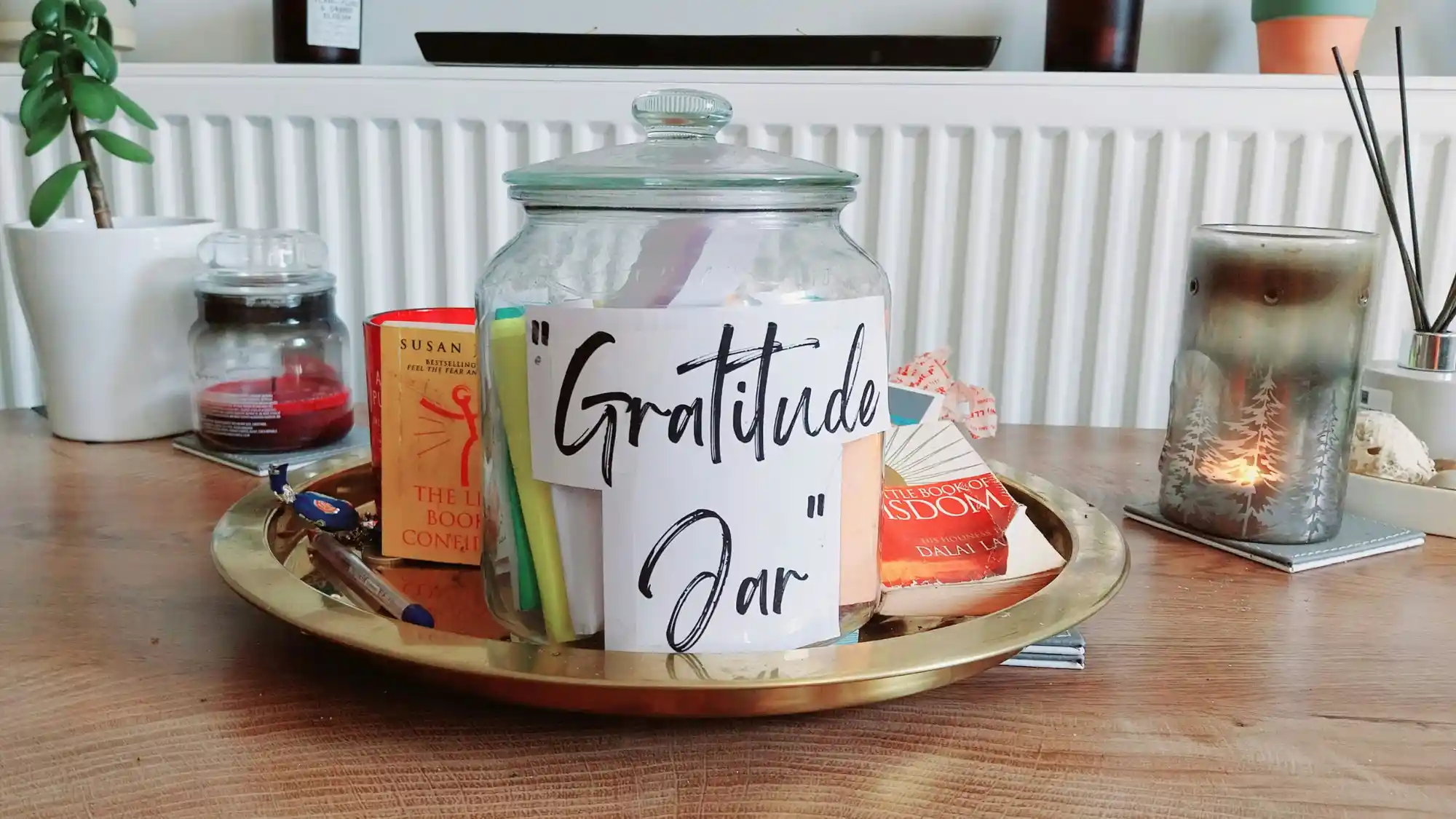
Before bedtime, reflect on your day together as a family. Keep a journal in which everyone writes one good thing they did purely for Allah’s sake daily. This helps children understand the importance of niyyah in Islam while having fun.
Children do not need complex explanations to understand niyyah. Role modeling, simple examples, and storytelling can help them see how to practice setting intentions in daily life. Gently explain to them that niyyah is about choosing why we do something. You can also help them understand the importance of niyyah in Islam by applying it in daily interactions. For example, tell them how helping a sibling is not just about being good but also about pleasing Allah.
Encourage them to share their toys with friends and siblings. As a parent, become their role model by telling the truth no matter the consequences and staying patient even when you’re angry. Show them how each of these actions can earn them rewards in Jannah if they are sincere in setting intentions for the sake of Allah. Teaching the importance of niyyah in Islam at a young age helps children grow into mindful and sincere Muslims.
Many people feel overwhelmed by the pressure of new year goals. Islam does not encourage such an approach even for something good. It is a religion of ease that promotes consistency and sincerity in good deeds over mere quantity. The Prophet ﷺ said:
“The most beloved deed to Allah is the most regular and constant even if it were little” (Sahih al-Bukhari 6464).
This hadith beautifully reflects the importance of setting intentions in Islam. You do not need to aim for dramatic changes overnight. Even small, consistent actions done with sincere niyyah are greatly rewarded by Allah. This connection between Islam and new year resolutions removes guilt and replaces it with hope.
In Islam, a new year does not have to begin with grand resolutions to be meaningful. Instead, a few realistic goals and setting intentions based on Islamic values can help families welcome the new year with hearts turned toward Allah. Viewing the new year as a time for reflection and realistic goals allows us to grow in peace, purpose, and faith.
As Muslims, we must remember new year is not the only time for setting intentions. Niyyah is part and parcel of daily life. Ordinary moments become acts of worship by setting intentions for the sake of Allah. With a sincere niyyah, every day (no matter the date) can bring us closer to Allah and His pleasure.
A: Niyyah is the sincere intention in the heart to do something for the sake of Allah. It transforms ordinary actions into worship. Cooking meals, cleaning the house, teaching children, and even resting can all become acts of worship when done with a sincere niyyah. Niyyah is more than just words; it is the sincerity of the heart and a willingness to do things for the right reasons.
A: For Muslims, setting intentions is a daily practice, not something to be done once a year. Muslims do this by reflecting honestly on their shortcomings, identifying areas for improvement, making dua to seek Allah's help, and struggling sincerely to overcome challenges for self-improvement. In Islam, niyyah is part and parcel of a believer's spiritual growth.
A: Yes — one of the most beautiful things about niyyah in Islam is that it transforms ordinary actions into worship. Cooking a meal with the intention of nourishing your family for Allah's sake, going to work with the intention of providing halal sustenance, or resting with the intention of preserving your health to serve Allah — all of these become acts of ibadah with the right niyyah. By setting intentions sincerely, every moment of a Muslim's life becomes an act of worship.
A: The best way to teach children about niyyah in Islam is through role modeling, simple examples, and storytelling. This will help them see how to practice setting intentions in daily life. Gently explain to them that niyyah is about choosing why we do something. You can use Islamic books for children in which characters engage in acts of kindness to please Allah and seek the reward of Jannah rather than praise or recognition from people. Make it a daily habit to write down one thing everyone in the family did for the sake of Allah. Practice patience and generosity yourself so you can be the role model for your children when they begin learning the importance of niyyah in Islam.

.svg)

.webp)

$
12.99
12.99
12.99
£
10.49
12.99
12.99
12.99
12.99
12.99
Best Seller
April 3, 2026
Best Seller
Family
Values

$
13.99
13.99
13.99
£
11.49
13.99
13.99
13.99
13.99
13.99
Best Seller
April 3, 2026
Adventure
Values

$
13.99
13.99
13.99
£
11.49
13.99
13.99
13.99
13.99
13.99
Best Seller
April 3, 2026
Adventure
Values










.webp)
.webp)
.webp)
Be the first to know about our latest books, coupons, and giveaways!


.svg)


.webp)


Sign up today and get 10% off your first order!
Use this discount code at checkout: TENOFF













.jpg)



.jpg)









































-min.webp)