

January 21, 2026

Free Shipping On Orders Above $75



Let’s go back 1,400 years to an ordinary day in Madinah. There is a well-known incident which is a clear reminder of how jealousy in Islam can strike when praise is given without dua. The evil eye in the Qur'an and Sunnah is not superstition; it is a real form of harm that can affect the body, emotions, and daily life.
Sahl ibn Hunayf (RA) was bathing when a companion, admiring the brightness of his skin, unintentionally cast an evil eye. Moments later, Sahl collapsed. The Prophet ﷺ came immediately and advised:
“If you see something that amazes you, ask Allah to bless it” (Muwatta Malik 1).
From this moment in the Prophet’s ﷺ era, Muslims learned that recognizing the signs of evil eye in Islam and seeking protection from evil eye in Islam is essential for safeguarding the heart and soul. The evil eye in Islam, known as al-ayn, is a real phenomenon according to the Qur'an and Sunnah. It occurs when a person's admiration or envy (even without any negative intent) end up causing harm to another person or their blessings. The Qur'an and Sunnah provide us with special duas and adhkar to protect ourselves against the evil eye.
Jealousy in Islam (also known as Hasad) is a feeling that quietly eats the heart. Islam recognizes it not just as an ordinary emotion but a spiritual danger. Even unspoken envy can lead to harm as highlighted in the evil eye in the Qur'an and Sunnah.
By recognizing the signs of evil eye in Islam and seeking protection spiritual harm, we can calm this fire and protect ourselves.
Islam directly guides us on seeking protection from hidden harm like the evil eye in the Qur'an, through the last two chapters: Surat al-Falaq and Surat an-Nas.
In Surat al-Falaq, Allah says:
"Say: I seek refuge in the Lord of daybreak, from the evil of what He created, from the evil of darkness, from those who practice witchcraft, and from the evil of the envier when he envies” (Surah Al- Falaq: 1-5).
And in Surat an-Nas, Allah teaches:
"Say: I seek refuge in the Lord of mankind, the Sovereign of mankind, the God of mankind, from the evil of the whisperer who whispers into the hearts of mankind" (Surah An-Nas: 1-6).
These Surahs provide clear guidance for protection from evil eye in Islam.

Even small moments of jealousy can have unseen effects. Imagine a colleague being praised for a project at work and if admiration turns into jealousy, the hidden fire in the heart can unintentionally cast the evil eye, that is recognized as jealousy in Islam and the evil eye in the Qur'an.
Jealousy can affect confidence and wellbeing. Therefore, seeking protection from evil eye in Islam is so important.
Although there are signs of evil eye in Islam, we cannot know for sure if these symptoms are actually a result of evil eye or a medical issue. Guarding ourselves against evil eye is more about trusting Allah and reciting the Sunnah adhkar for protection. Some of the signs of evil eye may include:
However, Islam teaches us to stick to the duas and adhkar for protection while also seeking medical advice and cure. And as long as we make it a habit to recite the special duas for protection, we will be under Allah's special protection.
The Prophet ﷺ warned clearly about the harm of the evil eye. He ﷺ said:
“The evil eye is real, and if anything were to overtake the divine decree, it would be the evil eye” (Sahih Muslim 5421).
This shows that the evil eye in Islam is not superstition, it is a real phenomenon that can affect health, wealth, and wellbeing.
Islam provides practical guidance for protection from evil eye and jealousy.
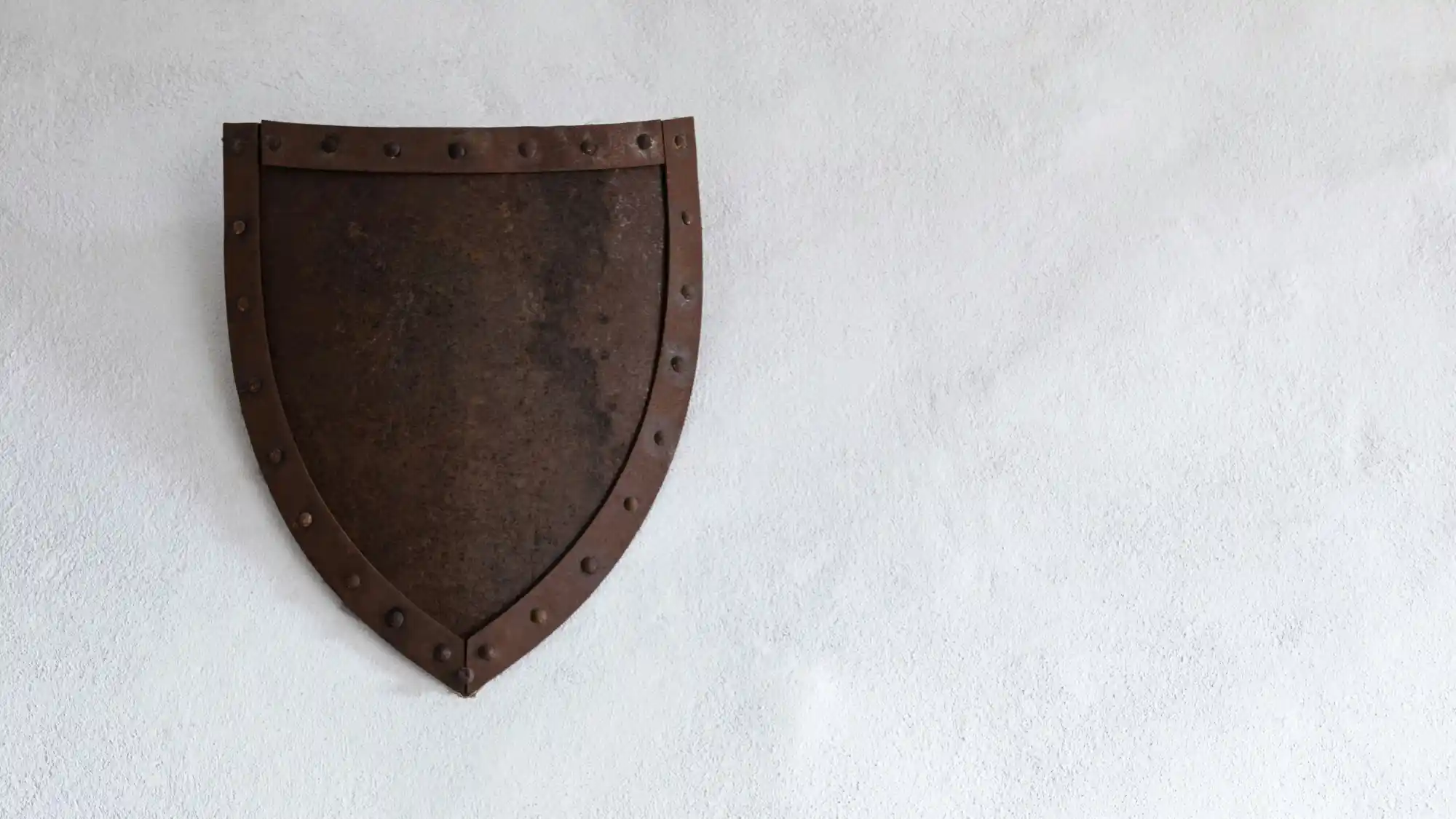
These last two chapters of the Qur'an are spiritual shields against envy and hidden harm. You can recite them over yourself, children, family, and belongings for consistent protection. Incorporate them into morning and evening routines to maintain a spiritual barrier.
The Prophet ﷺ used to seek refuge in Allah for Al‑Hasan and Al‑Husain and said:
أَعُوذُ بِكَلِمَاتِ اللَّهِ التَّامَّةِ مِنْ كُلِّ شَيْطَانٍ وَهَامَّةٍ، وَمِنْ كُلِّ عَيْنٍ لَامَّةٍ
"I seek refuge in the perfect words of Allah from every devil and every poisonous pest, and from every envious evil eye" (Sahih al-Bukhari 3371).
Make a habit of making dua before leaving home, before meals, or during moments of admiration.
Begin eating, drinking, travelling, or working with Bismillah. This invites Allah’s blessings and shields the action from harmful influences.
Charity purifies the heart and acts as protection from misfortune caused by envy.
Sharing achievements or blessings is a natural urge. But do it modestly to reduce jealousy from others. Focus more on humility.
Ayat al-Kursi is the biggest shield given by Allah. It is especially recommended after each prayer for safeguarding yourself and loved ones.
Morning and evening adhkar cover the day and night, offering ongoing protection.
When it comes to protecting ourselves and our families against the evil eye, it is important to teach our children the harmful effects of jealousy in Islam. We should encourage them not to be jealous of other people's blessings, but to remain grateful for what Allah has given them. We should encourage them to pray for barakah not just in their own life, but in the lives and blessings of others too. And the best way to encourage such a positive outlook on life is to practice it ourselves first. Additionally, memorizing the duas and surahs for protection against the evil eye in the Qur'an and reciting them daily shields us against all harm. Let's guard our hearts with faith because jealousy in Islam fades when Allah’s protection is near.
Q: Is the evil eye real in Islam?
A: Yes, the evil eye is explicitly mentioned in Islamic teachings. The Prophet ﷺ said: "The evil eye is real and if anything were to overtake the divine decree, it would be the evil eye" (Sahih Muslim 2188). The evil eye is a reality and Islam not only acknowledges it, but also provides clear and sufficient protection against it.
Q: What is the difference between evil eye (ayn) and hasad (jealousy) in Islam?
A: The evil eye (al-ayn) occurs when a person's admiration or envy (even without any negative intent) causes harm to another person or their blessings. Hasad is active jealousy, a wish to take away or harm another person's blessings. Both evil eye and jealousy in Islam are harmful, but they differ in their intentions. The evil eye can be a result of someone's admiration even if they are your well-wishers. Hasad or jealousy in Islam, on the other hand, is a deliberate ill wish to take away someone's blessings or harm them. It is jealousy in Islam that affects the ill-wisher's faith and leads them to ingratitude.
Q: What duas protect against the evil eye in Islam?
A: The most powerful duas for protection against the evil ey include the recitation of Ayat al-Kursi, Surat al-Falaq, and Surat an-Nas, in the morning and evening. The Prophet ﷺ also taught us to say:
أَعُوذُ بِكَلِمَاتِ اللَّهِ التَّامَّةِ مِنْ كُلِّ شَيْطَانٍ وَهَامَّةٍ، وَمِنْ كُلِّ عَيْنٍ لَامَّةٍ
"I seek refuge in the perfect words of Allah from every devil and every poisonous pest, and from every envious evil eye" (Sahih al-Bukhari 3371).
Q: How do I know if I have the evil eye?
A: Although there are signs of evil eye in Islam, we cannot know for sure if these symptoms are actually a result of evil eye or a medical issue. Guarding ourselves against evil eye is more about trusting Allah and reciting the Sunnah adhkar for protection. Some of the signs of evil eye may include sudden unexplained illness, repeated misfortune after being admired or praised, changes in mood or behaviour without apparent cause etc. However, Islam teaches us to stick to the duas and adhkar for protection while also seeking medical advice and cure.
Q: How do I protect my children from the evil eye in Islam?
A: The Prophet ﷺ used to seek Allah's protection for Hasan and Husayn with the words:
أَعُوذُ بِكَلِمَاتِ اللَّهِ التَّامَّةِ مِنْ كُلِّ شَيْطَانٍ وَهَامَّةٍ، وَمِنْ كُلِّ عَيْنٍ لَامَّةٍ
"I seek refuge in the perfect words of Allah from every devil and every poisonous pest, and from every envious evil eye" (Sahih al-Bukhari 3371).
Other Islamic practices for protecting children include reciting the three quls (Surat al-Ikhlas, al-Falaq, and an-Nas) over children at night, avoiding displaying them excessively on social media, and making dua for their safety.

.svg)

.webp)

$
12.99
12.99
12.99
£
10.49
12.99
12.99
12.99
12.99
12.99
Best Seller
April 3, 2026
Best Seller
Family
Values

$
13.99
13.99
13.99
£
11.49
13.99
13.99
13.99
13.99
13.99
Best Seller
April 3, 2026
Adventure
Values

$
13.99
13.99
13.99
£
11.49
13.99
13.99
13.99
13.99
13.99
Best Seller
April 3, 2026
Adventure
Values










.webp)
.webp)
.webp)
Be the first to know about our latest books, coupons, and giveaways!


.svg)


.webp)


Sign up today and get 10% off your first order!
Use this discount code at checkout: TENOFF














.jpg)




.jpg)
.jpg)








































-min.webp)