
January 27, 2026

Free Shipping On Orders Above $75
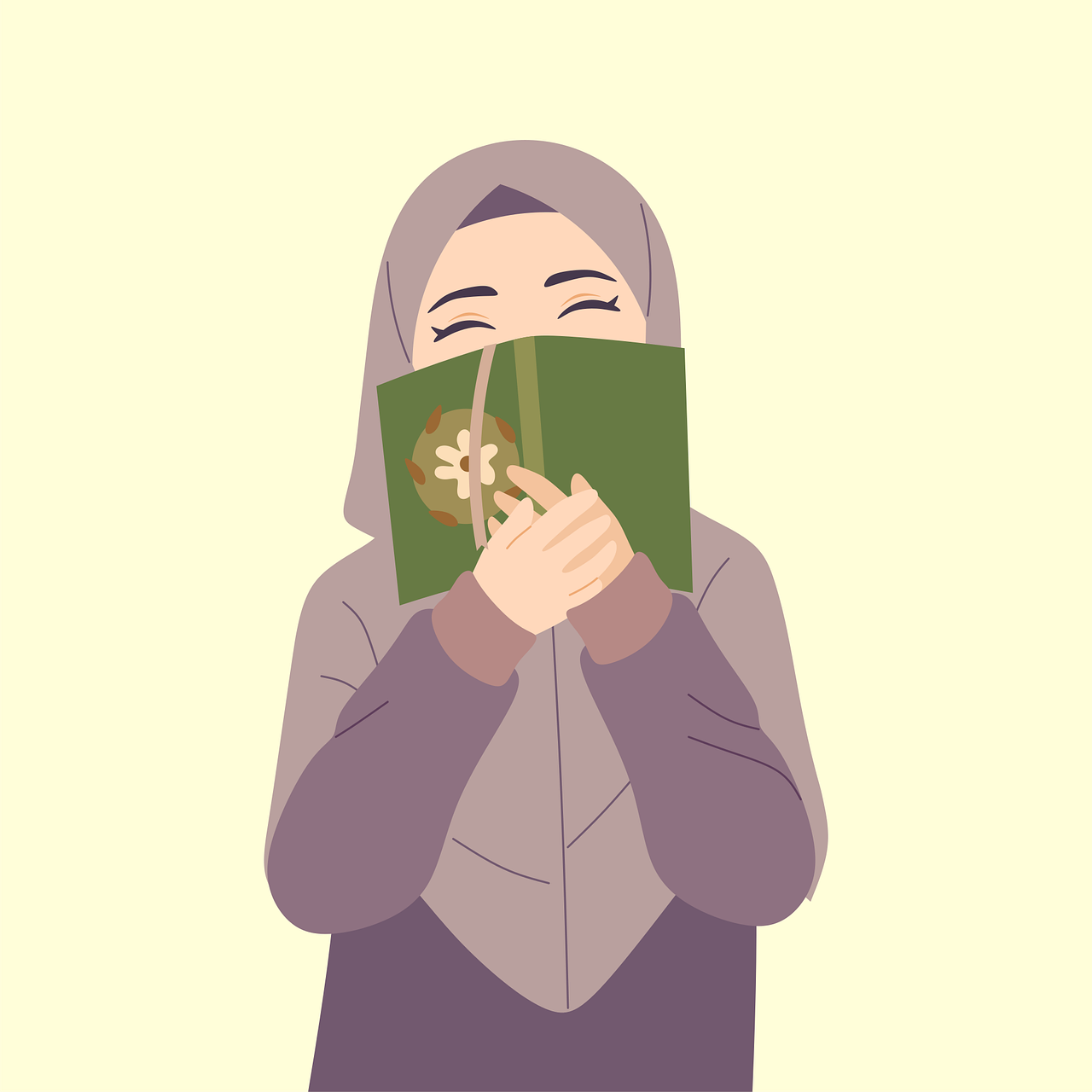


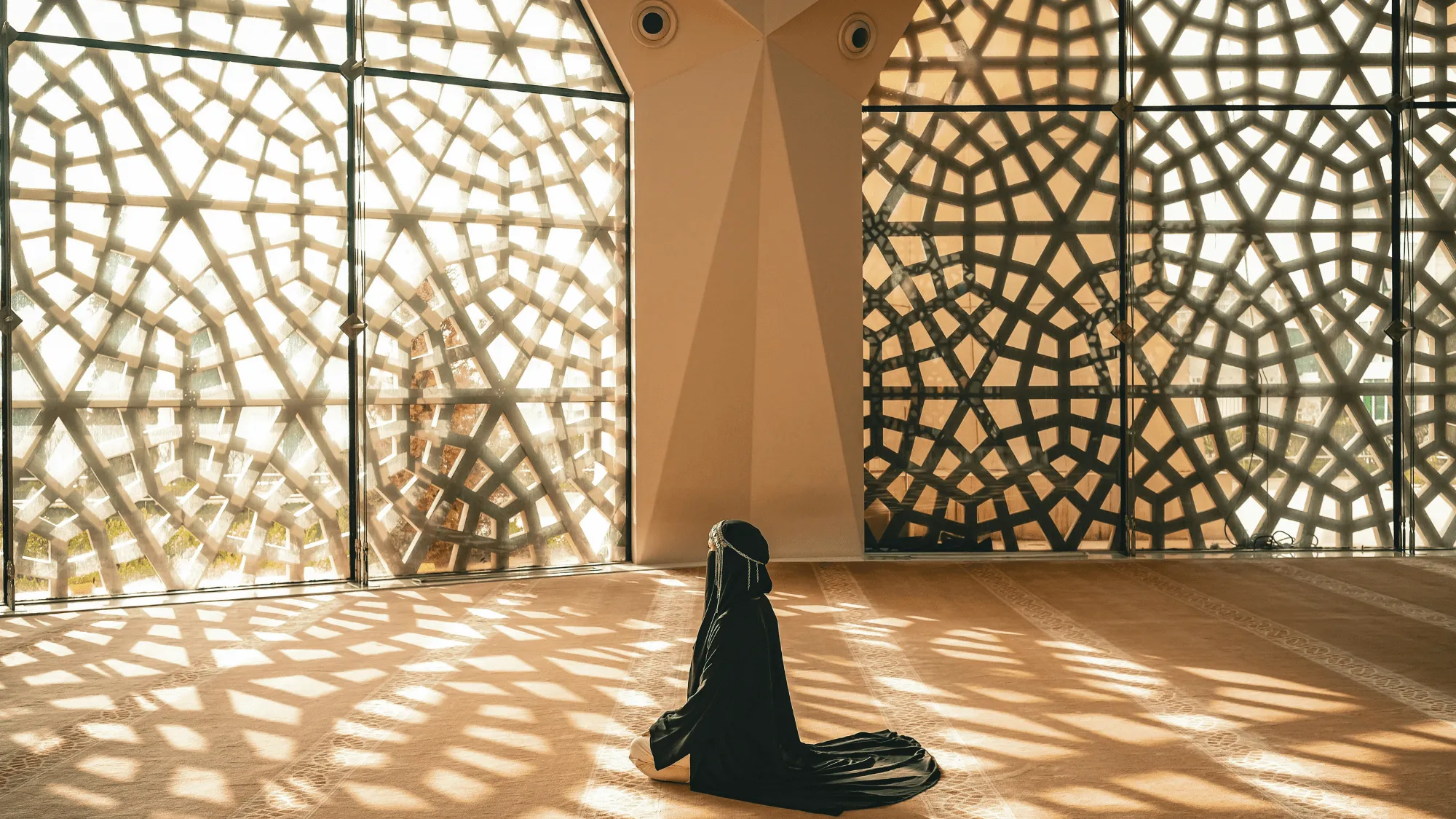
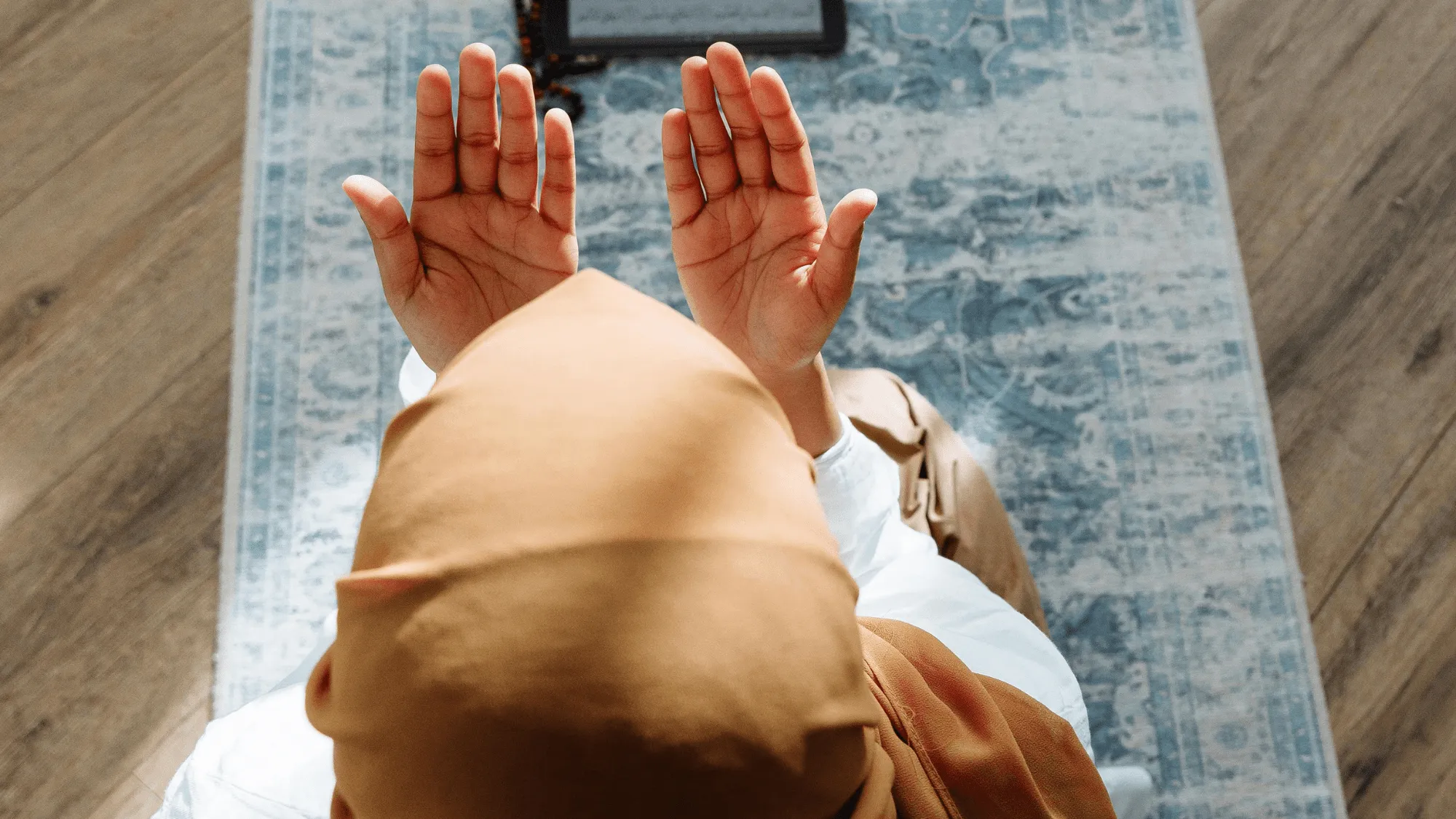
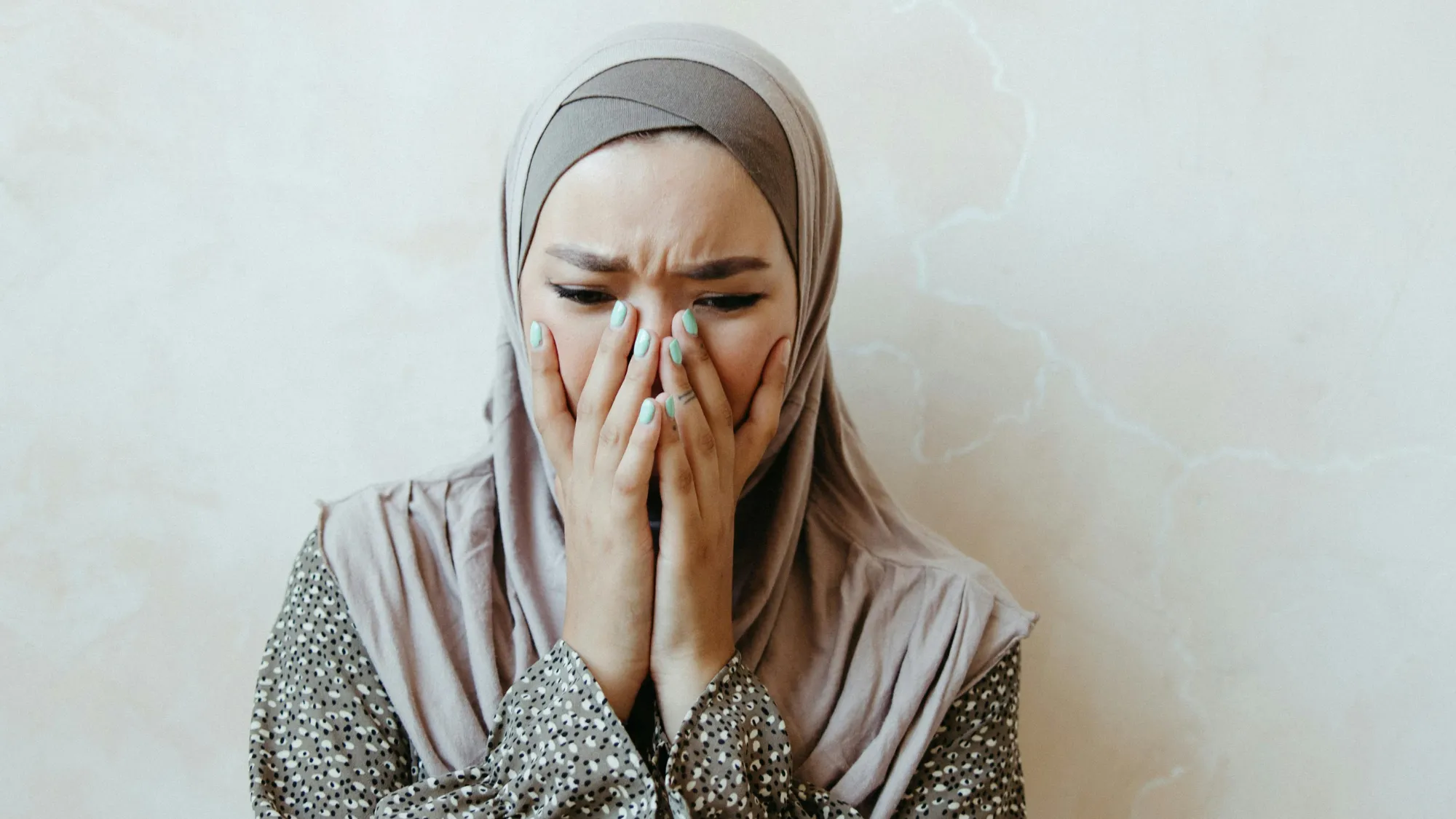
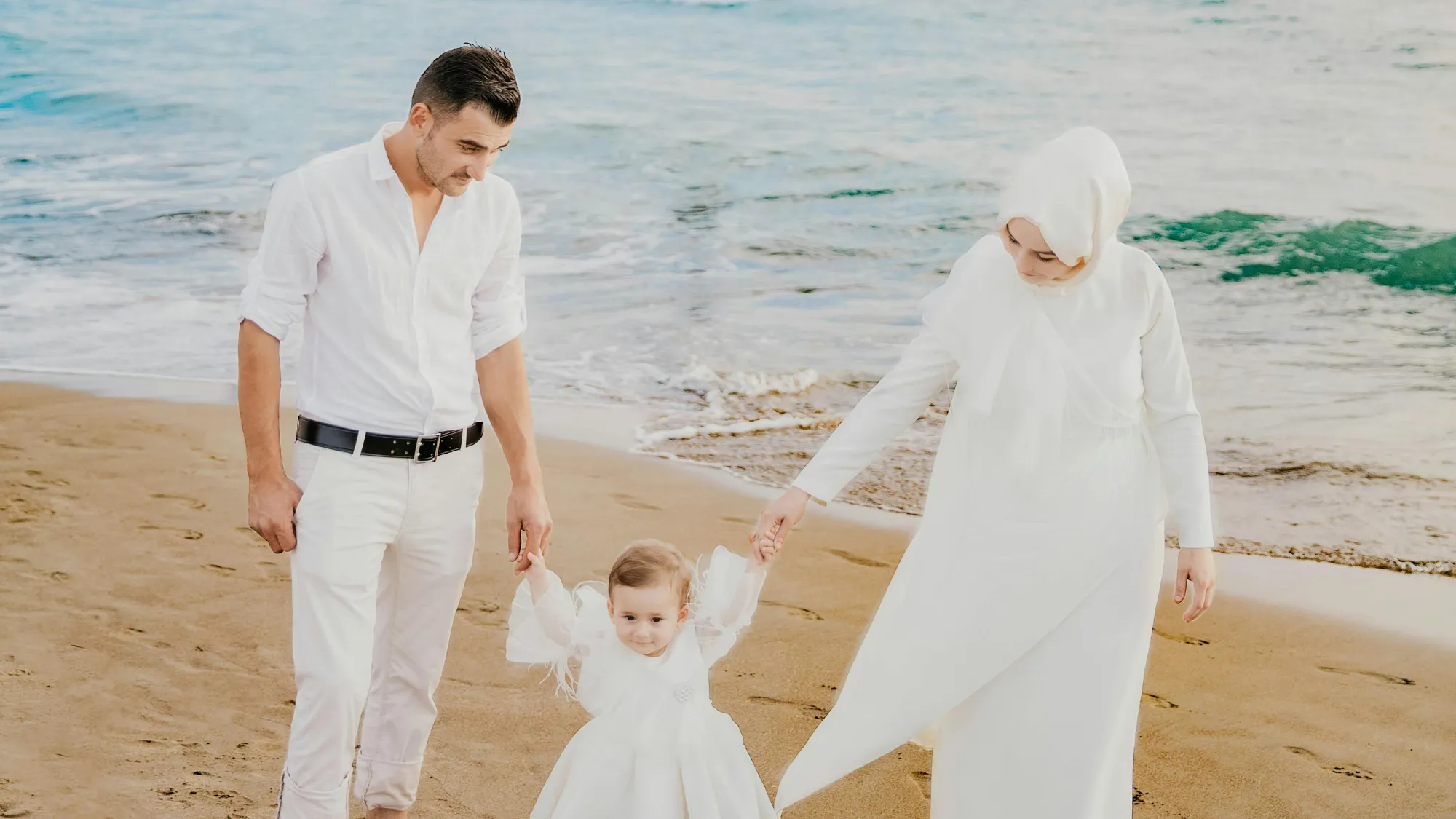
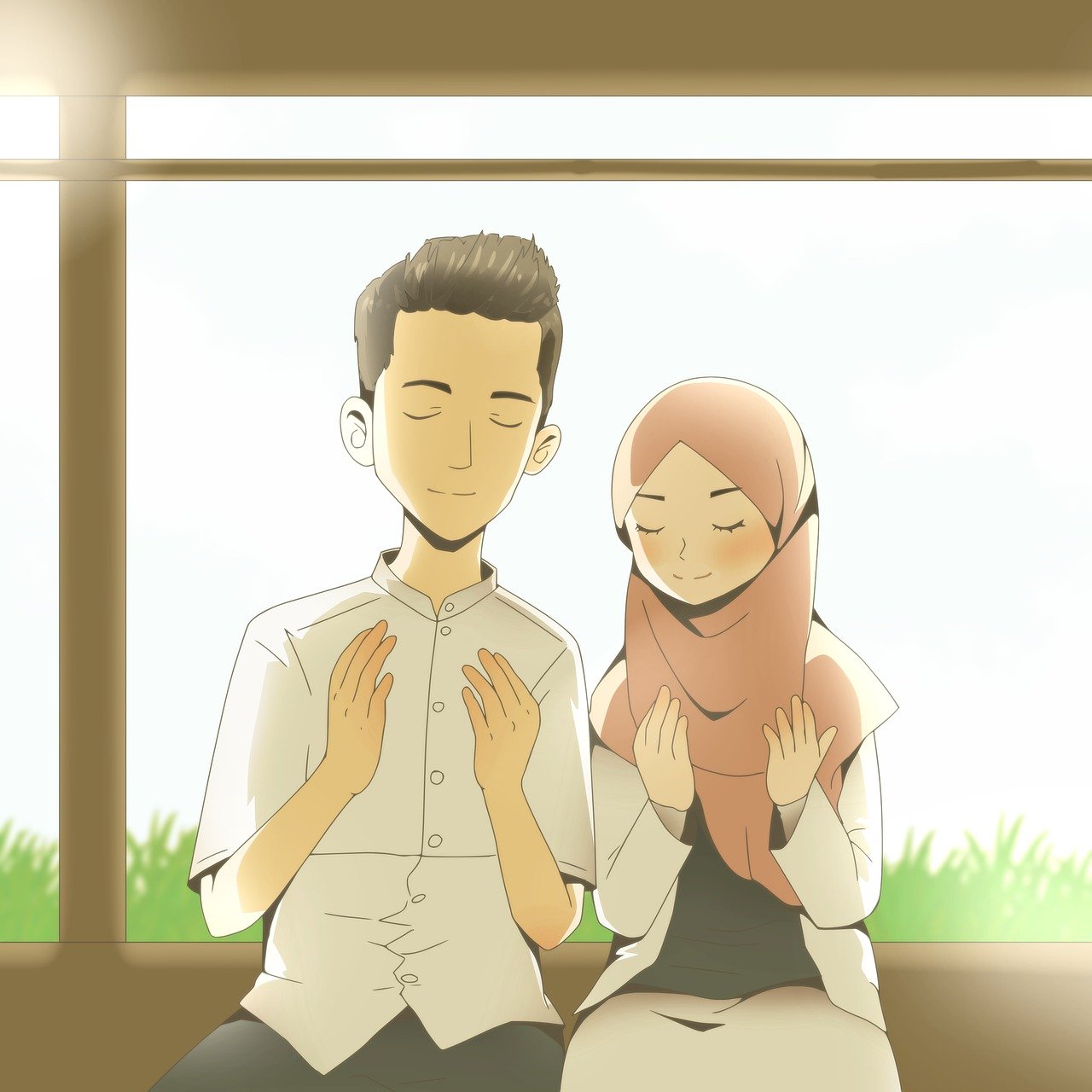
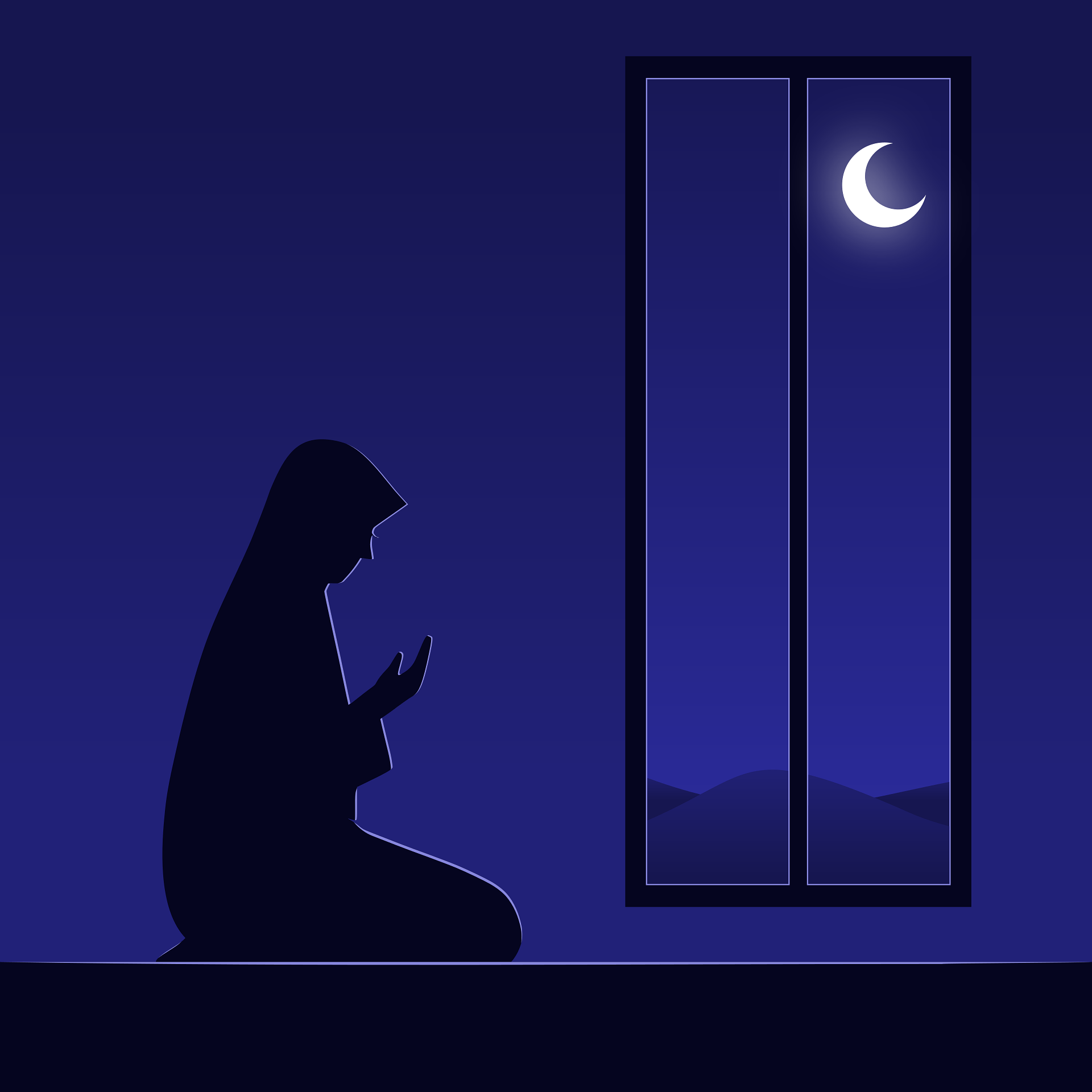
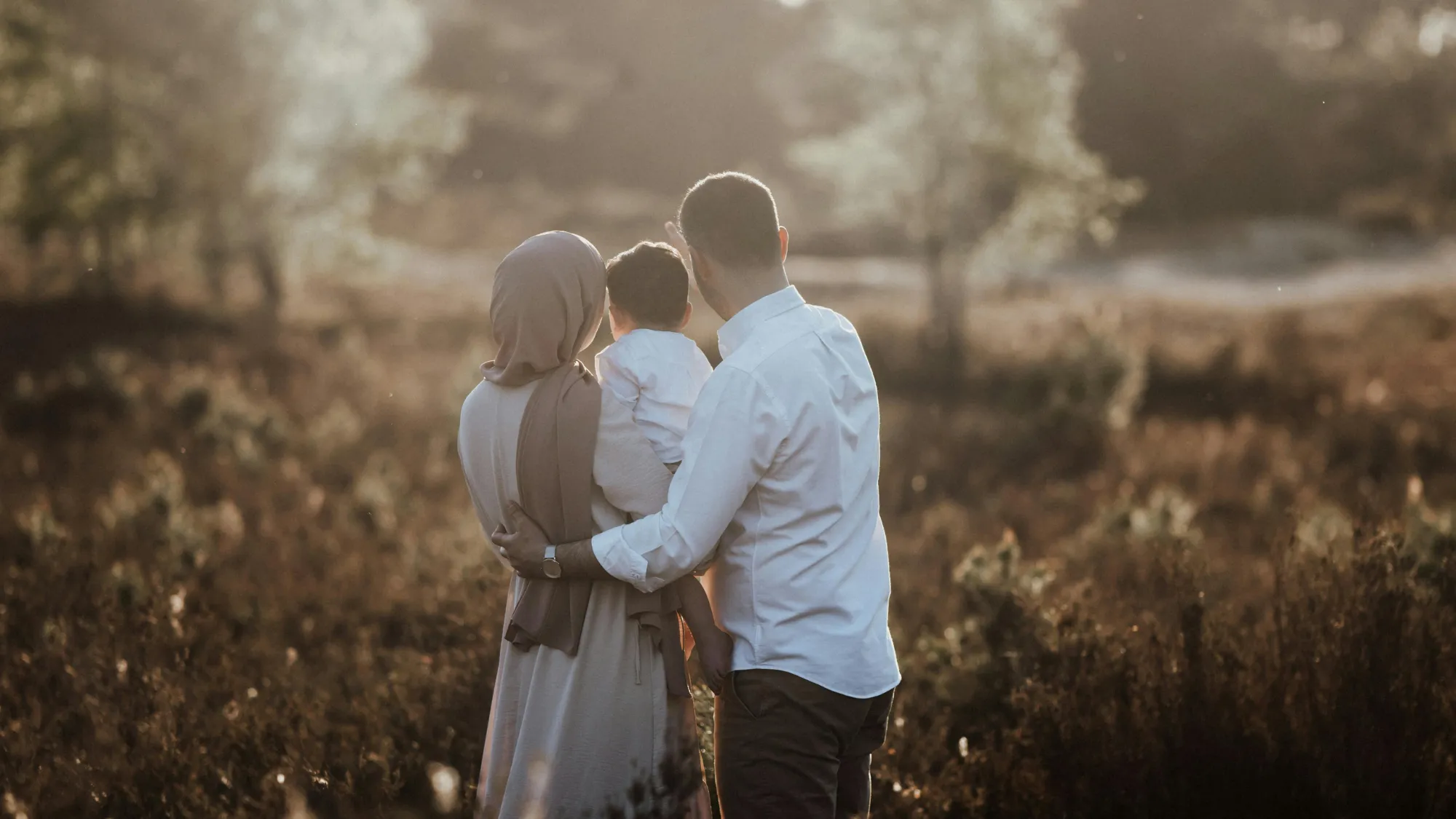
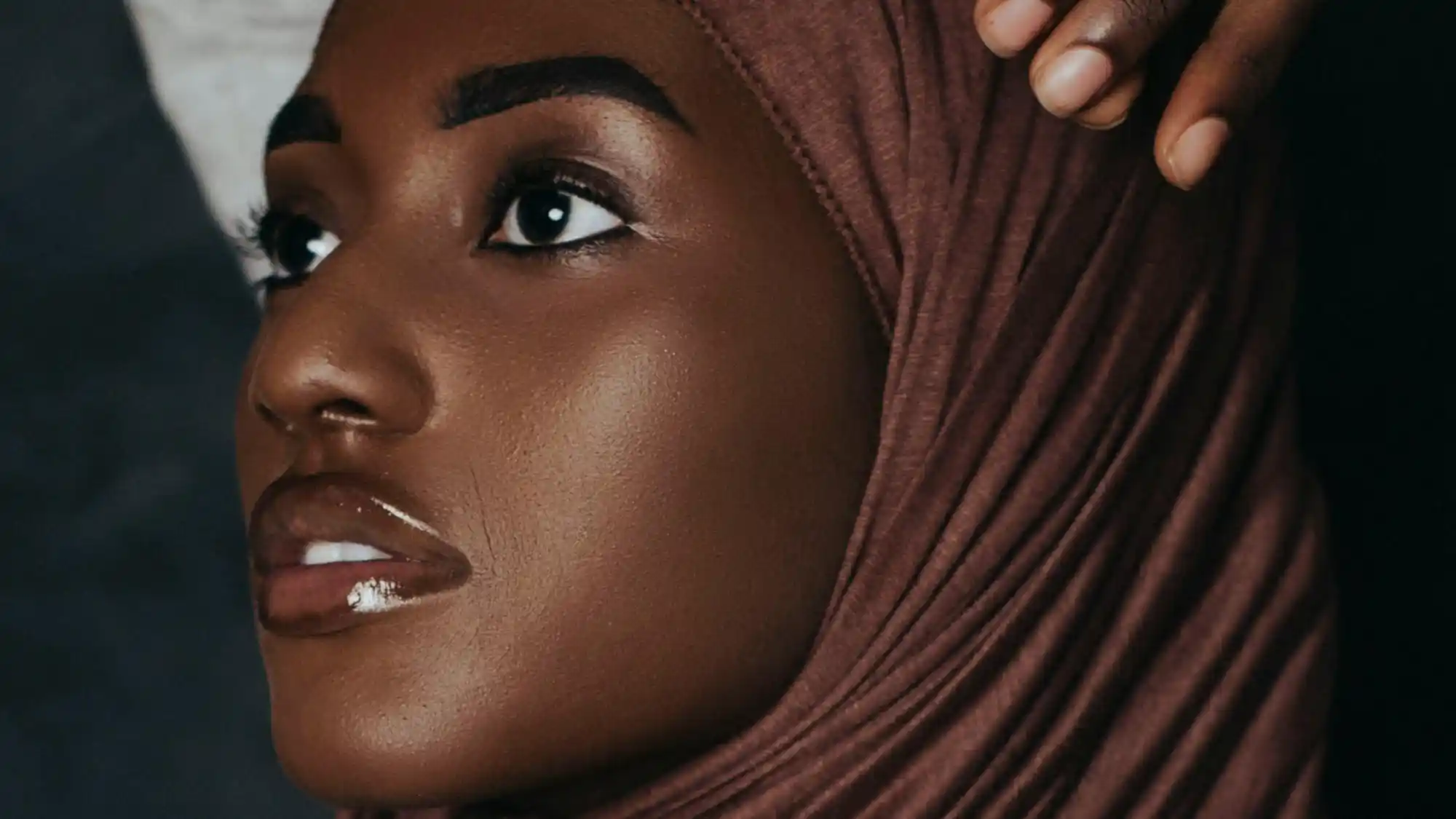
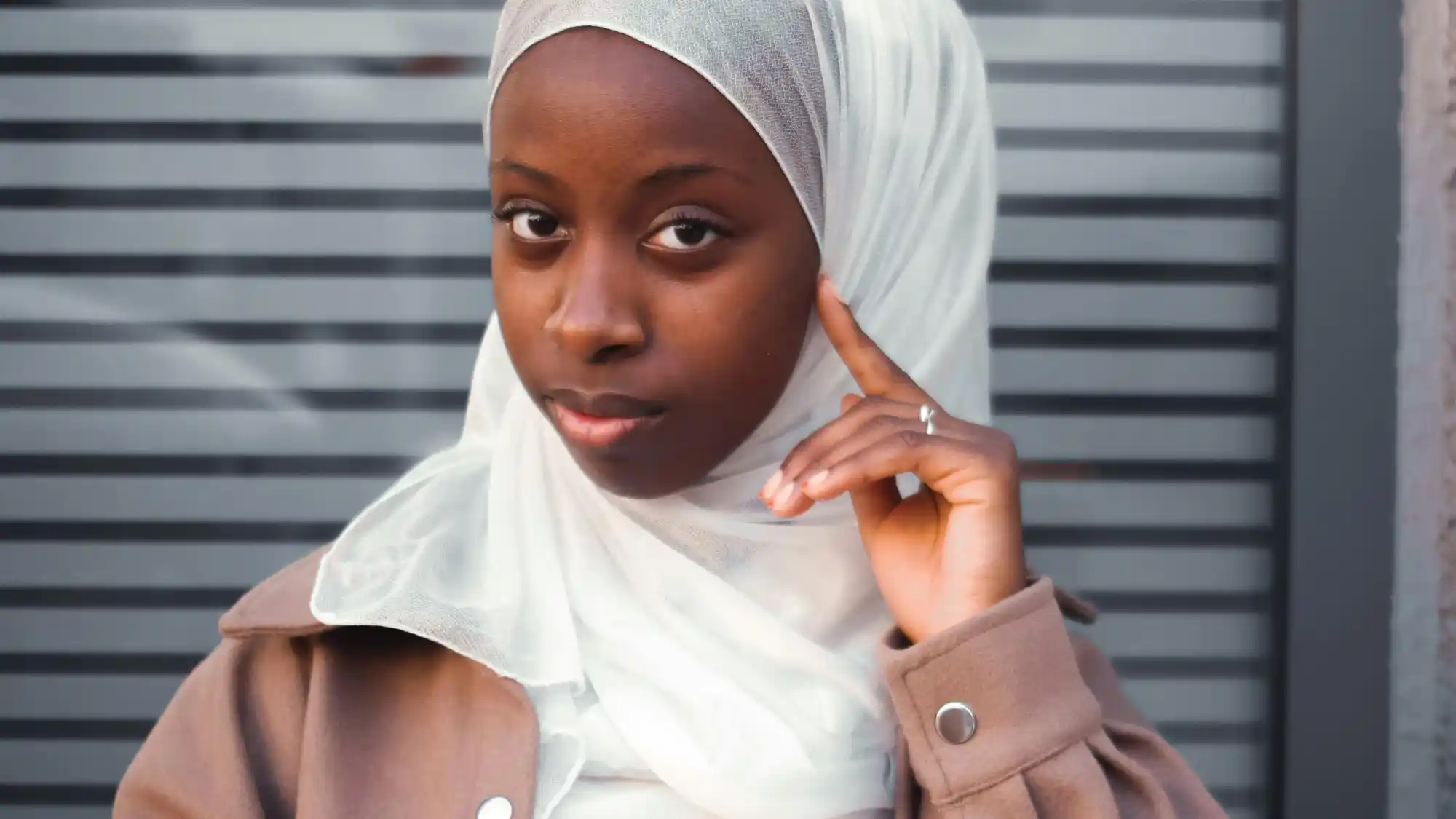
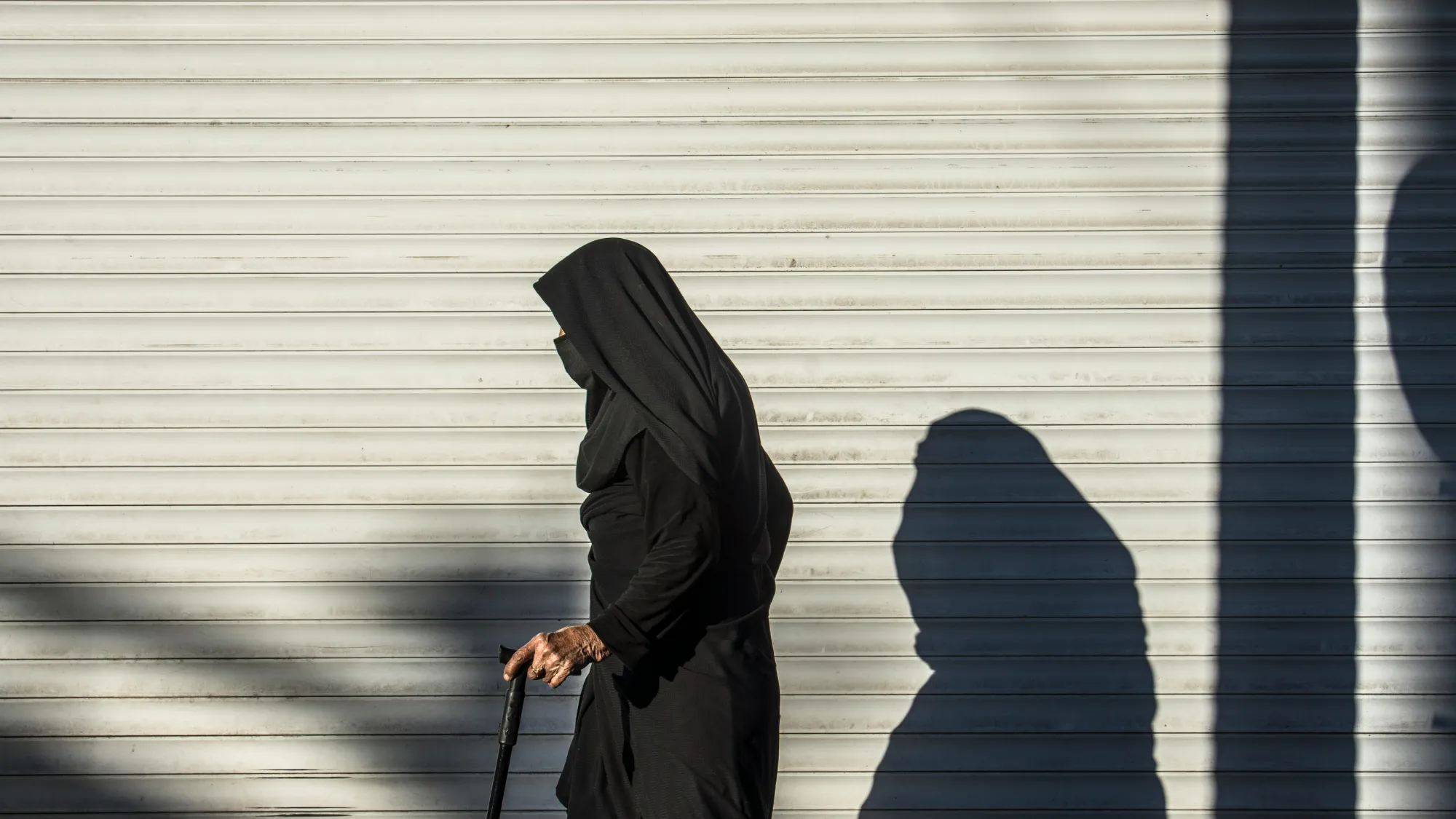
In a world where revealing clothing is often promoted as confidence and freedom, choosing modest dressing (particularly the muslim woman’s garment) can feel like a quiet but powerful statement. Hijab in Islam refers to the Islamic principle of modesty in dress and behaviour, specifically expressed through a Muslim woman's choice to cover her hair and body. It is an act rooted in faith, dignity, and a direct relationship with Allah.
For a practicing Muslimah, clothing is not simply about appearance. The Muslim attire for women reflects faith, values, and a conscious relationship with Allah. A Muslim woman’s garment today stands as a symbol of dignity, self-respect, and inner freedom in a society that frequently defines worth by visibility.
Rather than limiting women, modest dressing in Islam offers clarity, purpose, and peace. For many practicing Muslimahs, it is a choice rooted in conviction, not compulsion.
A Muslim woman’s garment refers to clothing that fulfils the Islamic principles of modesty while allowing comfort and practicality. It is not restricted to a single style or culture. Across the world, Muslim women dress modestly in different ways, shaped by climate, culture, and personal preference.
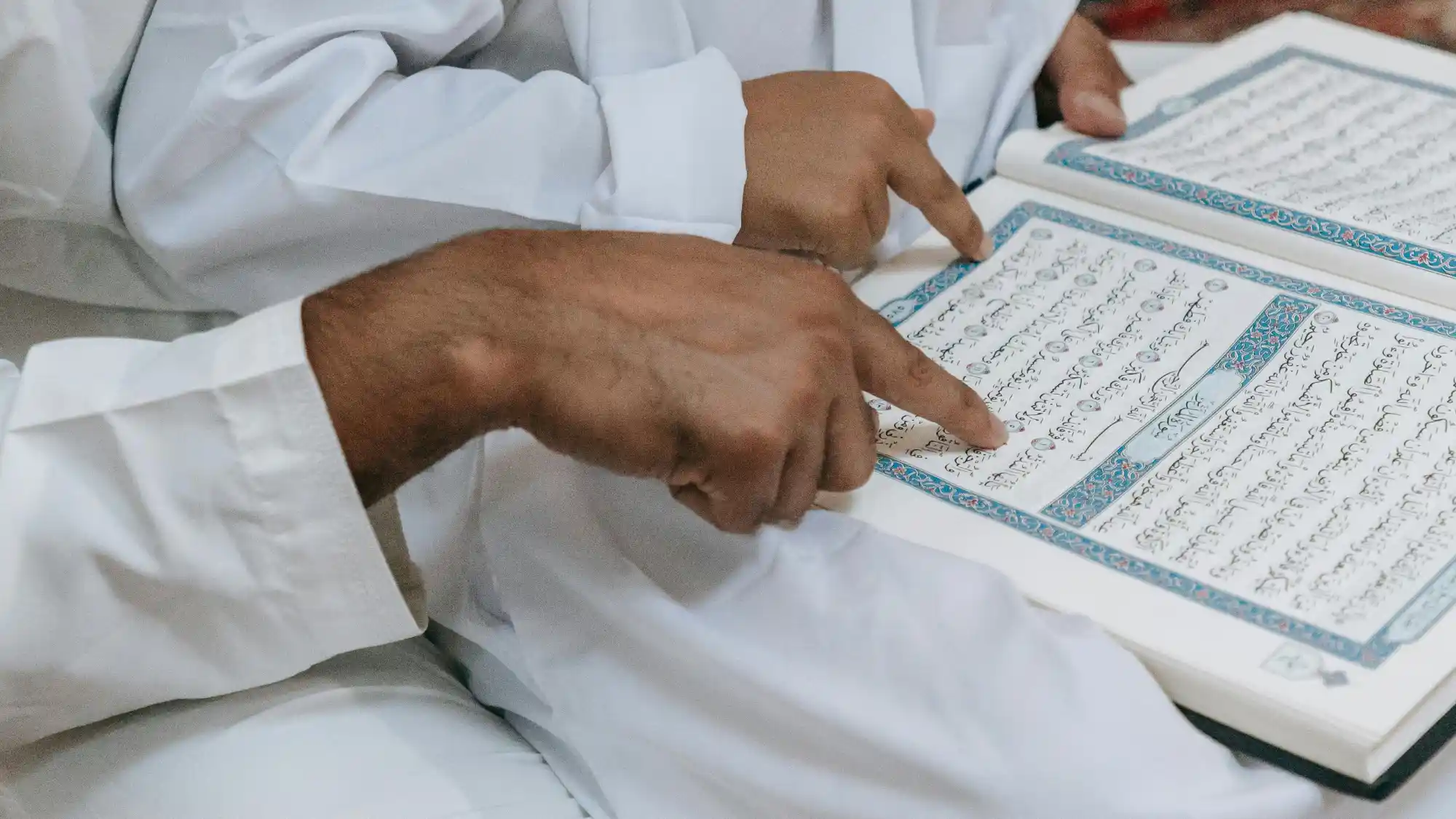
At its core, Muslim women dress with the intention of covering the body appropriately, avoiding excess display, and maintaining dignity. This intention is what transforms clothing into an act of worship. As Allay says in the Quran:
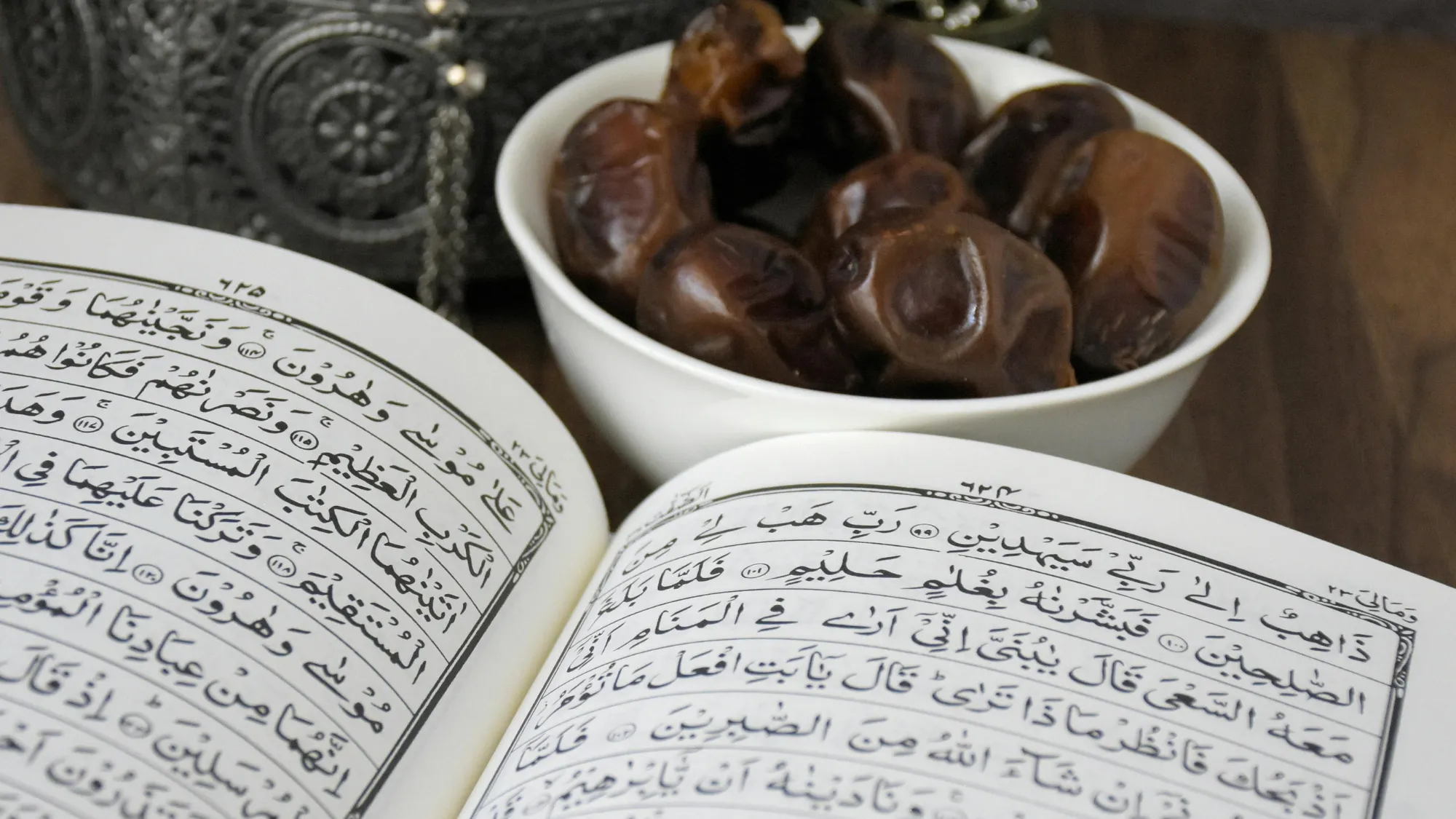
وَقُل لِّلْمُؤْمِنَـٰتِ يَغْضُضْنَ مِنْ أَبْصَـٰرِهِنَّ وَيَحْفَظْنَ فُرُوجَهُنَّ وَلَا يُبْدِينَ زِينَتَهُنَّ إِلَّا مَا ظَهَرَ مِنْهَا ۖ وَلْيَضْرِبْنَ بِخُمُرِهِنَّ عَلَىٰ جُيُوبِهِنَّ
“And tell the believing women to lower their gaze and guard their chastity, and not to reveal their adornments1 except what normally appears. Let them draw their veils over their chests, and not reveal their ˹hidden˺ adornments...” (Surah An-Nur: 31).
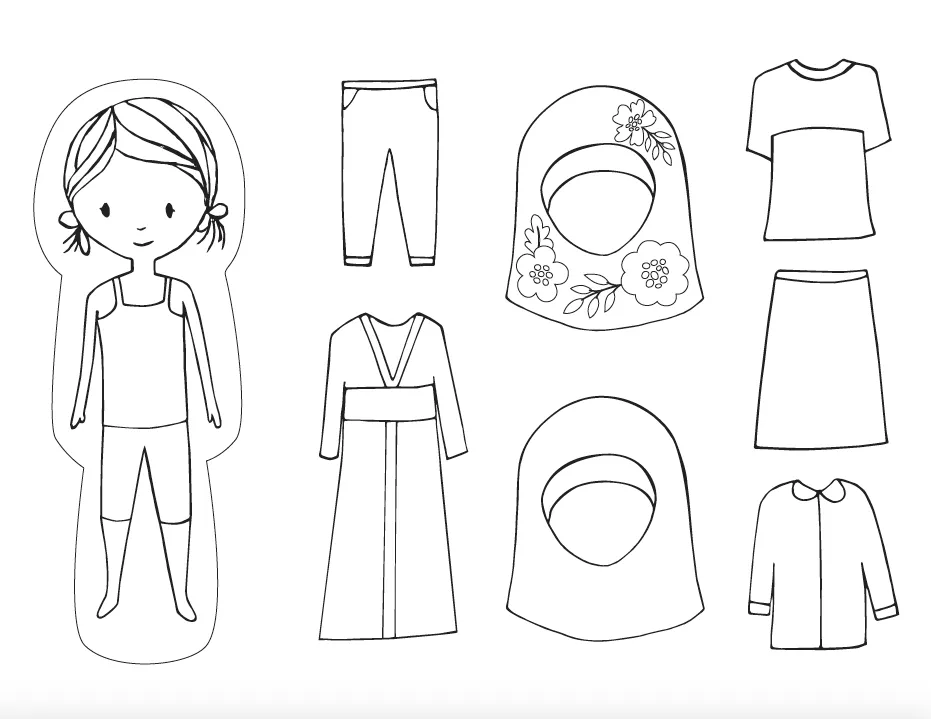
Today, the Muslim attire for woman has evolved to reflect both modesty and modern life. From flowing abayas and jilbabs to long dresses, tunics, and layered outfits, modest clothing now comes in a wide variety of styles.
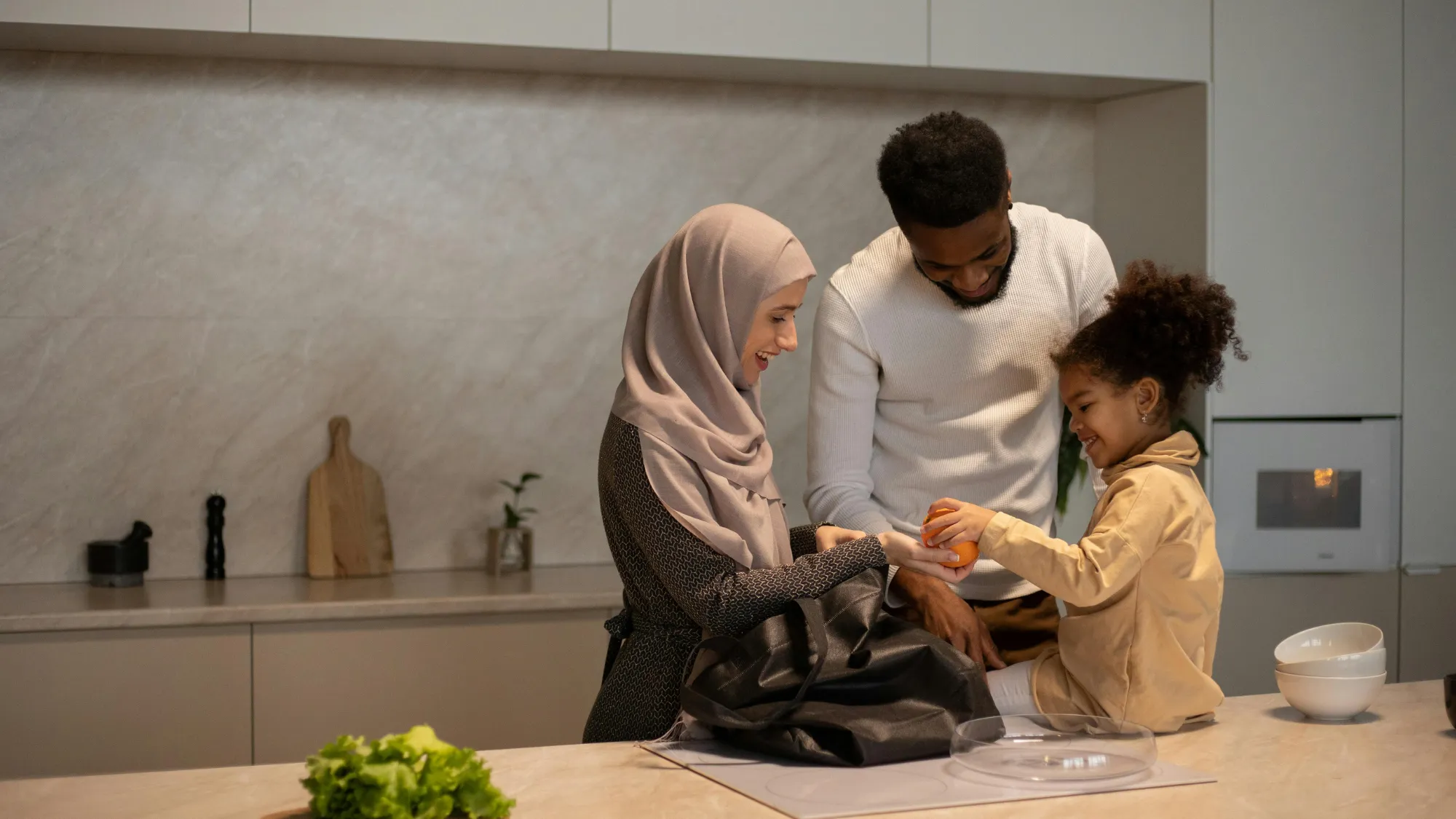
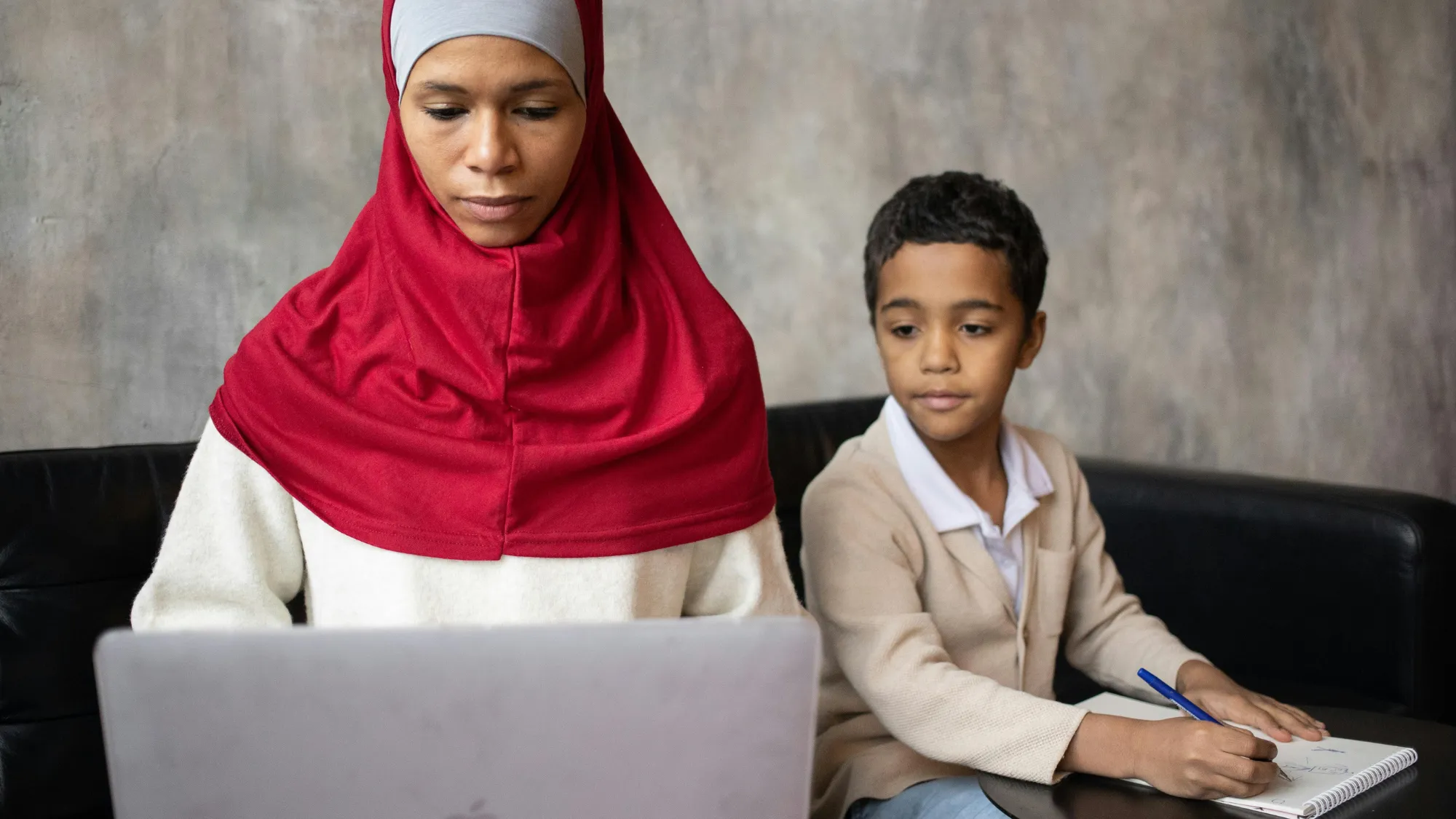
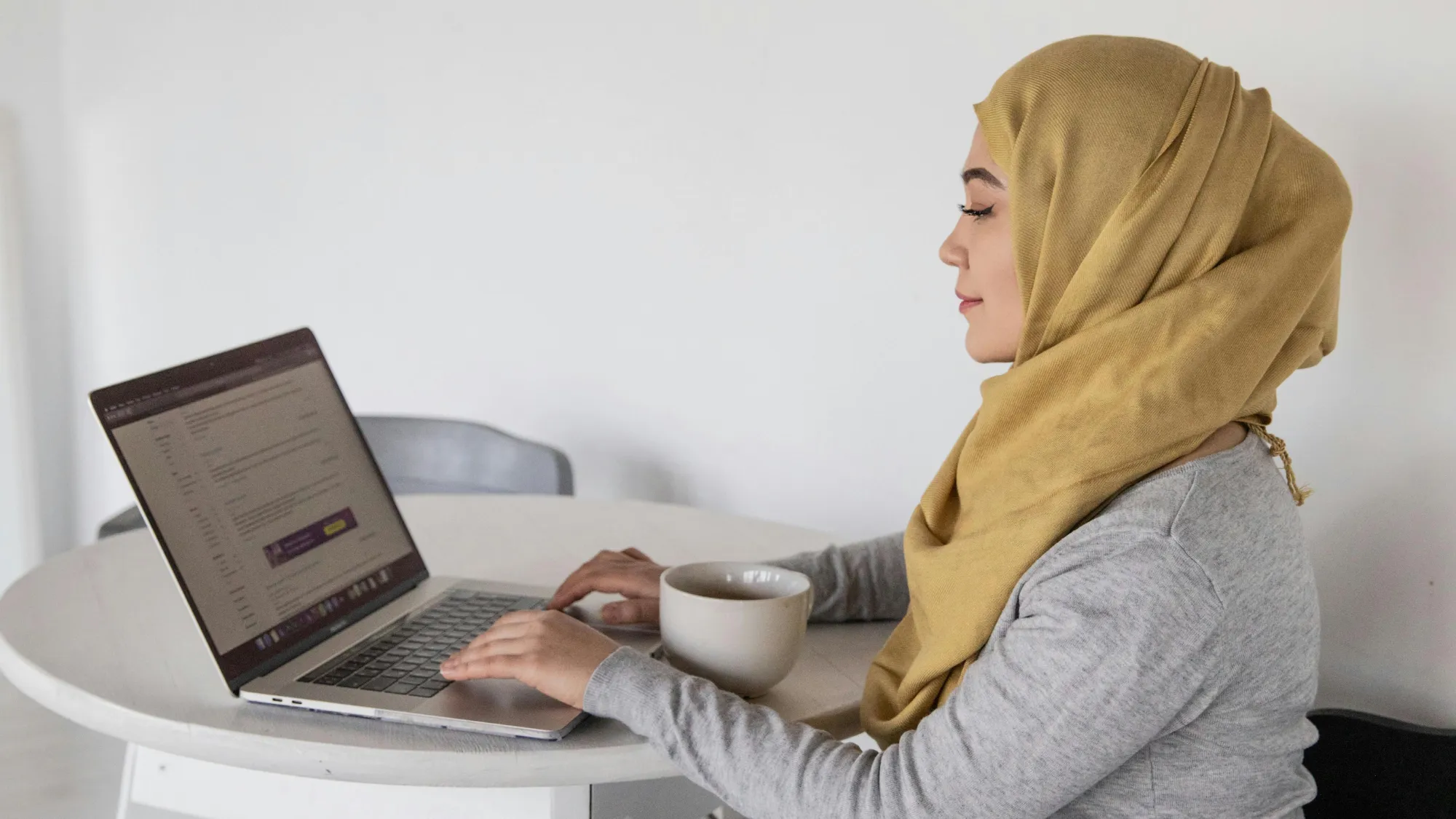
Modern Muslim women dress for work, parenting, travel, and social life while staying true to their faith. Choosing modest clothing does not mean withdrawing from society. Instead, it allows women to participate confidently without compromising their values.
For many, dressing modestly feels freeing because it removes pressure to conform to unrealistic beauty standards.

One of the most misunderstood aspects of the Muslim woman’s garment is the assumption that it limits women. In reality, many non-Muslim women also feel that wearing a Muslim woman’s garment gives them freedom from constant judgement based on appearance.
When the body is no longer the centre of attention, space is created for character, intellect, and spirituality to shine. The Muslim attire for woman shifts the focus inward. It allows a woman to define herself on her own terms, grounded in faith rather than trends.
This sense of freedom is especially meaningful in a culture where women are often valued for how much they reveal.
The importance of hijab goes beyond a scarf or outer covering. Hijab represents humility, self-awareness, and obedience to Allah. It is both an internal and external practice. For a practicing Muslimah, hijab influences behaviour, speech, and intention.
It reminds her to move through the world with grace and consciousness of Allah. While wearing the Muslim woman’s attire can come with challenges, many women describe it as spiritually grounding and empowering.
Hijab is not about perfection. It is about striving, sincerity, and growth.
Muslim women dress with intention. Each Muslim woman’s garment becomes a reflection of identity and belief. In a time when personal expression is often tied to appearance, choosing modest clothing is a declaration of values. Allah says in the Quran:
يَـٰبَنِىٓ ءَادَمَ قَدْ أَنزَلْنَا عَلَيْكُمْ لِبَاسًۭا يُوَٰرِى سَوْءَٰتِكُمْ وَرِيشًۭا ۖ وَلِبَاسُ ٱلتَّقْوَىٰ ذَٰلِكَ خَيْرٌۭ ۚ ذَٰلِكَ مِنْ ءَايَـٰتِ ٱللَّهِ لَعَلَّهُمْ يَذَّكَّرُونَ
“O children of Adam! We have provided for you clothing to cover your nakedness and as an adornment. However, the best clothing is righteousness. This is one of Allah’s bounties, so perhaps you will be mindful” (Surah Al-A'raf: 26).
A Muslim woman’s garment connects her to a long tradition of faith, resilience, and honour. It says that dignity is not dependent on exposure and that confidence does not require approval. For a practicing Muslimah, modest dress strengthens her sense of belonging and spiritual clarity.
Being a practicing Muslimah in today’s world is not without challenges. A Muslim woman’s garment can attract unwanted attention, misunderstanding, or judgement. Yet many women continue to choose the Muslim attire for women because of the peace and purpose it brings.
Navigating public spaces, workplaces, and social settings while wearing the Muslim woman’s garment requires patience and confidence. Supportive communities, positive representation, and faith-centred education help women feel empowered rather than isolated.
Choosing a Muslim woman’s garment means choosing to obey Allah. Although modest dressing is a personal journey, it is ultimately a command from Allah. Therefore, a practicing Muslimah should try her best to obey it.
Practical tips to start wearing the hijab include selecting comfortable fabrics and focusing on clothing that supports both faith and function. Confidence grows when modesty is chosen with understanding rather than pressure.
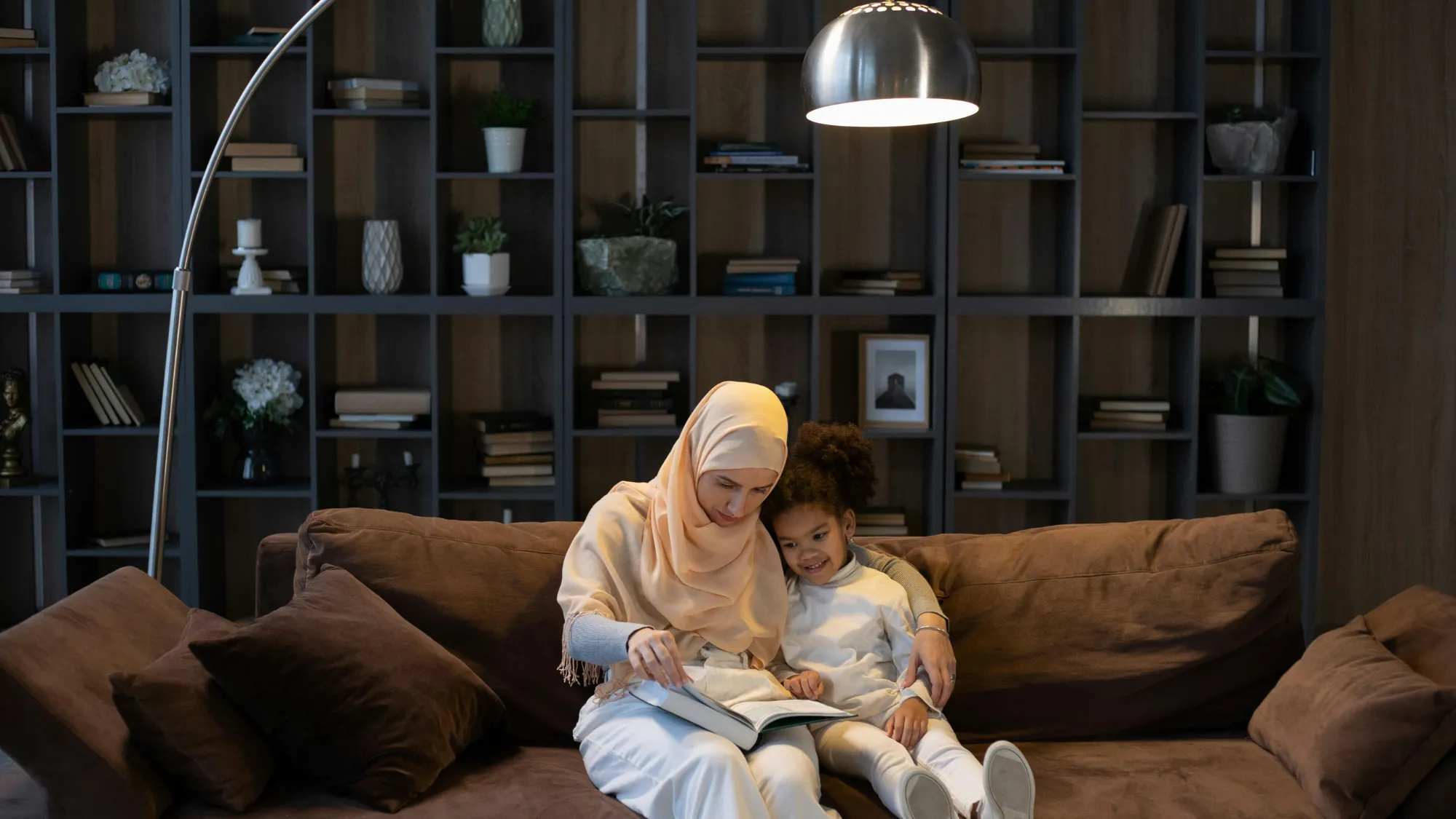
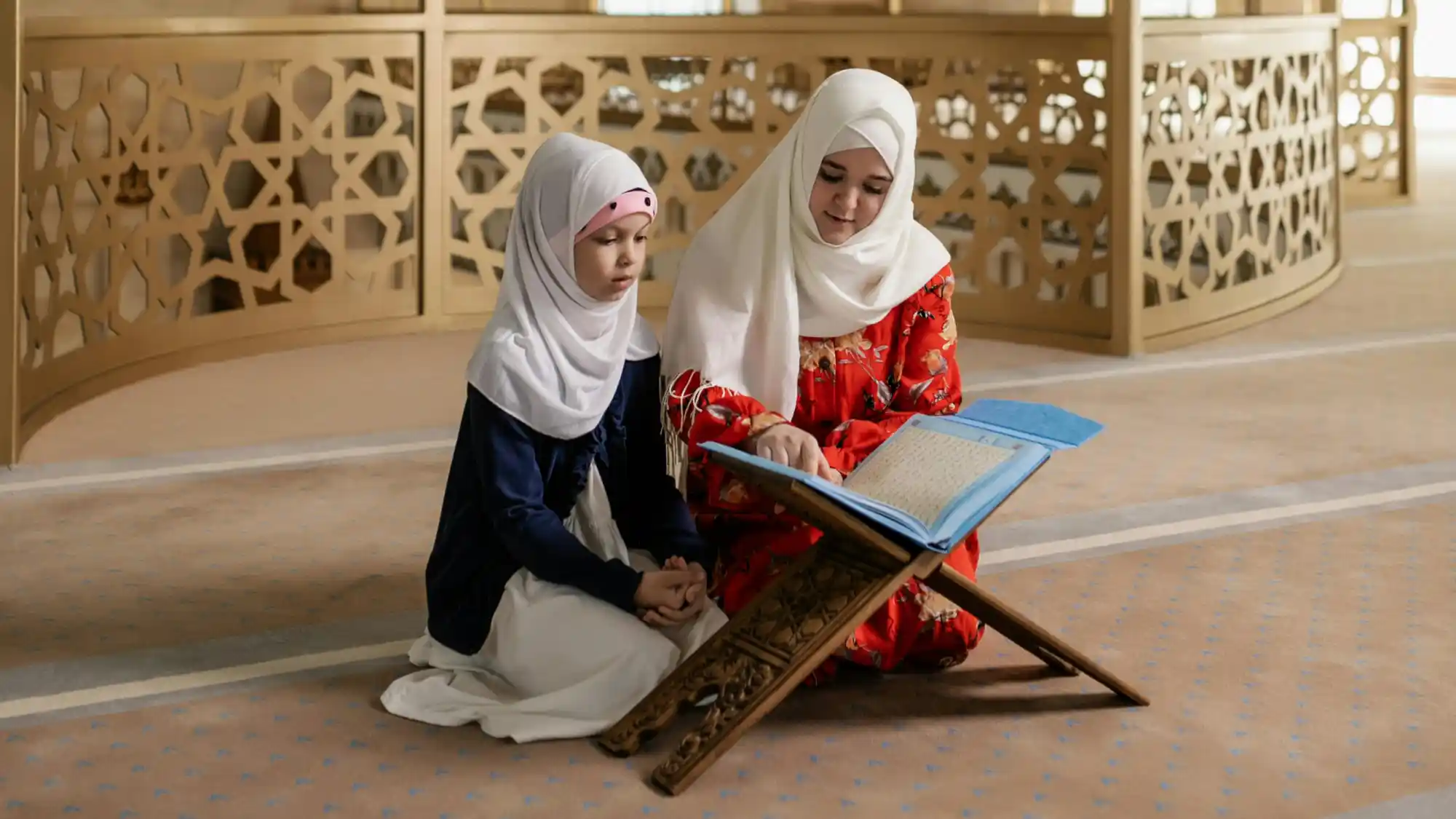
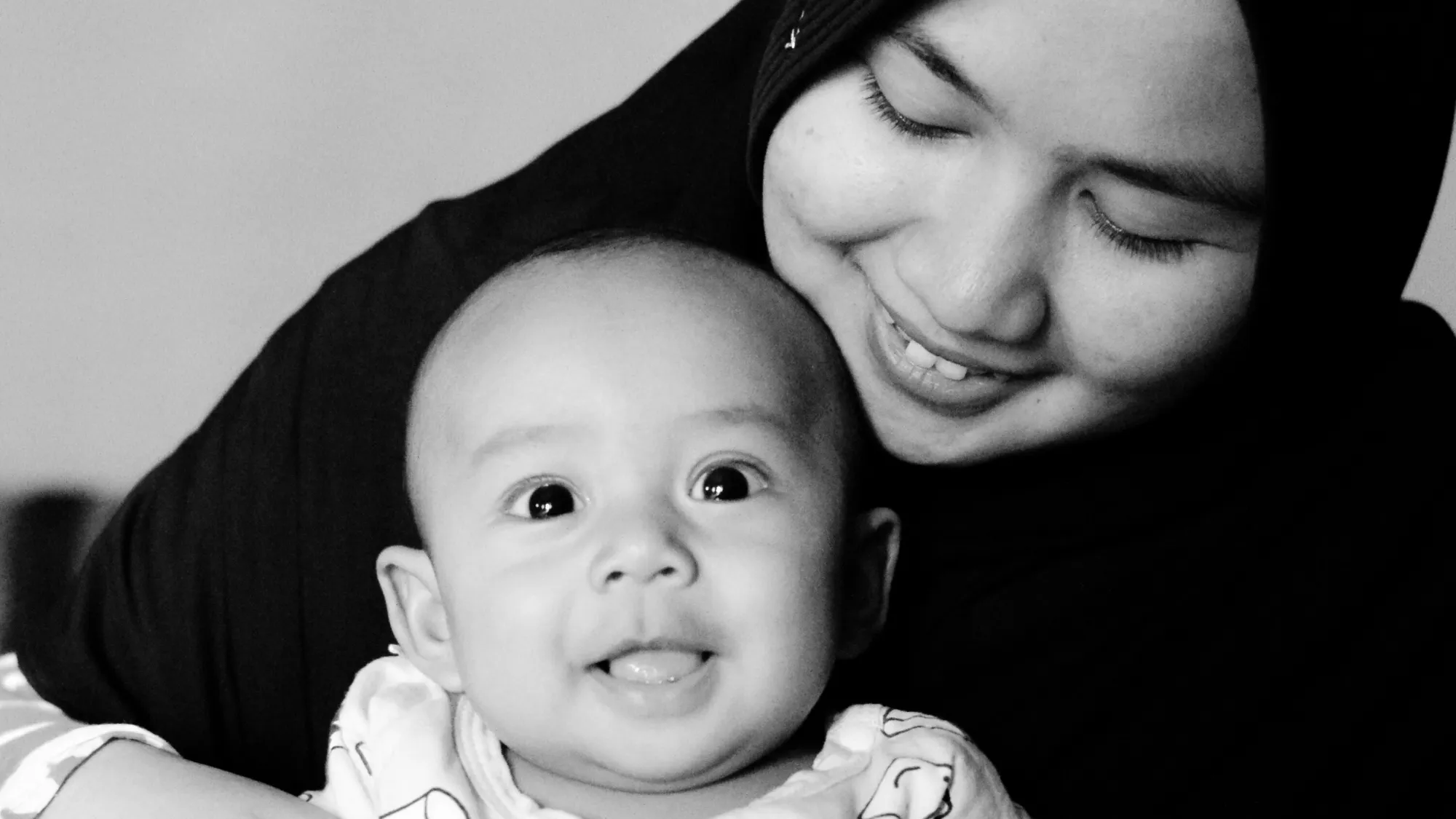
The best way to teach your daughter to love the hijab is to show confidence in your own choice of wearing it. Choosing the Muslim woman’s garment in today’s world when there is constant pressure to reveal more is a challenge indeed. And just like us, our children will feel the pressure too as they grow up. So become the hero they look up to, the one who pushed back against a world that tries to force them to blend in instead of making their own choices.
Replace the tales of Disney Princesses with the stories of female companions who only heard Allah's command once and submitted to their Rabb. Read together with your daughter stories of confident Muslim women who stood their ground against the world, carrying their hijab as a part of their identity everywhere they went. Explain to her in simple terms why you choose the Muslim attire for women instead of telling her to wear it.
A Muslim woman’s garment in today’s world is not outdated or restrictive. It is noble, freeing, and deeply meaningful. In a society that often equates worth with exposure, the Muslim attire for woman offers an alternative rooted in dignity and faith.
For a practicing Muslimah, clothing becomes more than a fabric. When she understands the importance of Hijab, the Muslim woman’s garment becomes a reflection of values, a shield of self-respect, and a reminder that true freedom comes from living in alignment with Allah's commands.
A: Muslim women wear hijab as an act of worship and obedience to Allah, based on Quranic guidance in Surah An-Nur (24:31) and Surah Al-Ahzab (33:59). It is also a way of protecting their dignity and honour, placing their true value in their actions and intellect instead of their appearance, and strengthening their relationship with Allah.
A: According to the Qur'an, hijab (a Muslim woman's garment covering the hair and body modestly) is an obligation for adult Muslim women. The Quran and Sunnah both address this clearly. However, the decision to wear hijab is personal, just like the choice to obey any other command like salah or fasting.
A: Hijab typically refers to the headscarf covering the hair and neck. Niqab is a face veil worn in addition to hijab, covering everything except the eyes. Abaya is a full-length outer garment worn over clothing. While hijab is obligatory according to most scholars, niqab is considered either recommended or obligatory depending on the scholarly opinion followed.
A: The best way to teach them is to become a role model for them. Be confident in your choice to wear the hijab and your daughter will see it as a symbol of strength. Sharing stories of confident Muslim women and making du'a together for steadfastness can also help children develop an internal love for modesty rather than considering it a burden.

.svg)
.webp)

$
12.99
12.99
12.99
£
10.49
12.99
12.99
12.99
12.99
12.99
Best Seller
April 3, 2026
Best Seller
Family
Values

$
13.99
13.99
13.99
£
11.49
13.99
13.99
13.99
13.99
13.99
Best Seller
April 3, 2026
Adventure
Values

$
13.99
13.99
13.99
£
11.49
13.99
13.99
13.99
13.99
13.99
Best Seller
April 3, 2026
Adventure
Values




.webp)
.webp)
.webp)
Be the first to know about our latest books, coupons, and giveaways!


.svg)


.webp)


Sign up today and get 10% off your first order!
Use this discount code at checkout: TENOFF








.jpg)


.jpg)
.jpg)



















-min.webp)