
January 20, 2026

Free Shipping On Orders Above $75



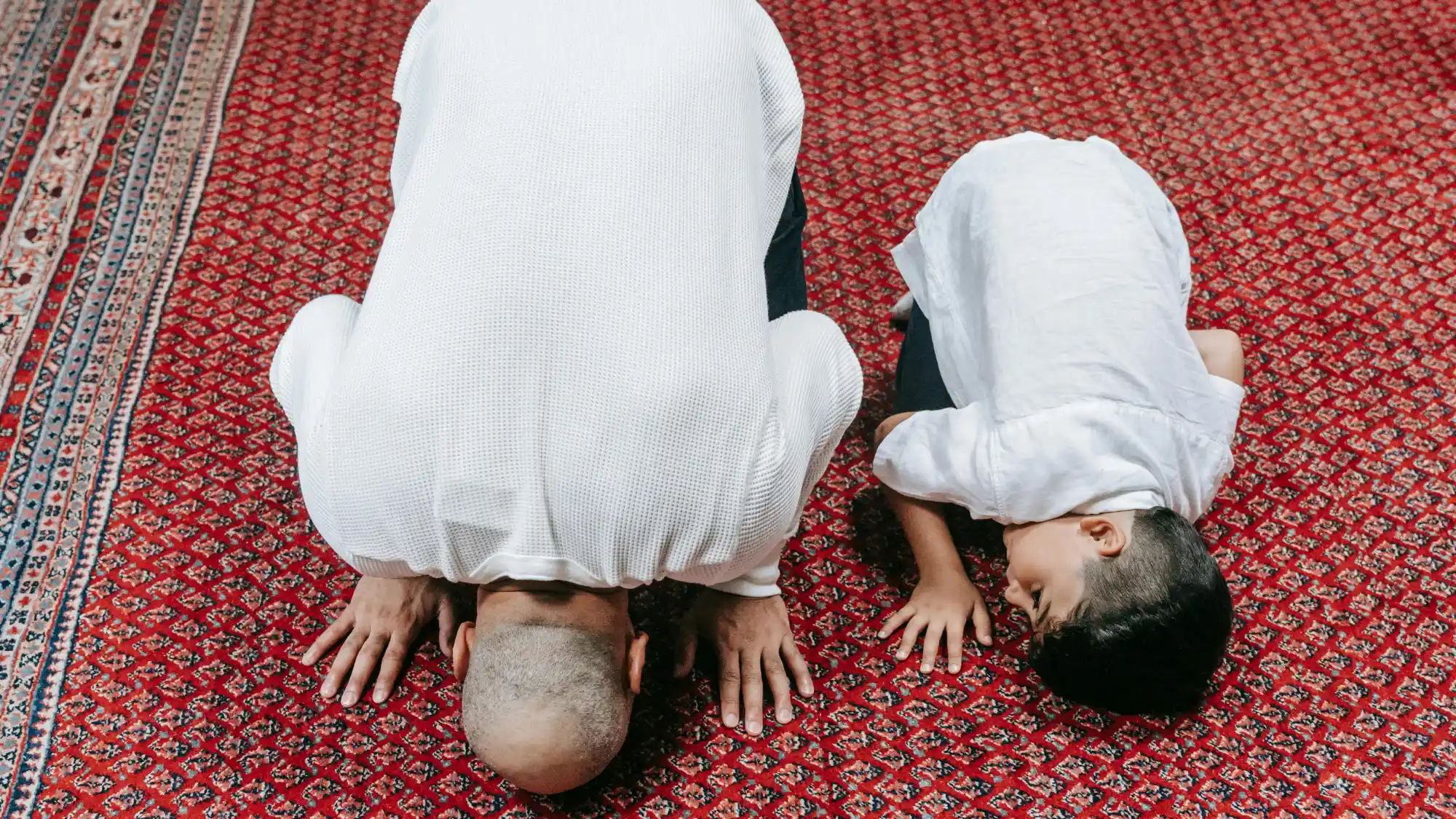
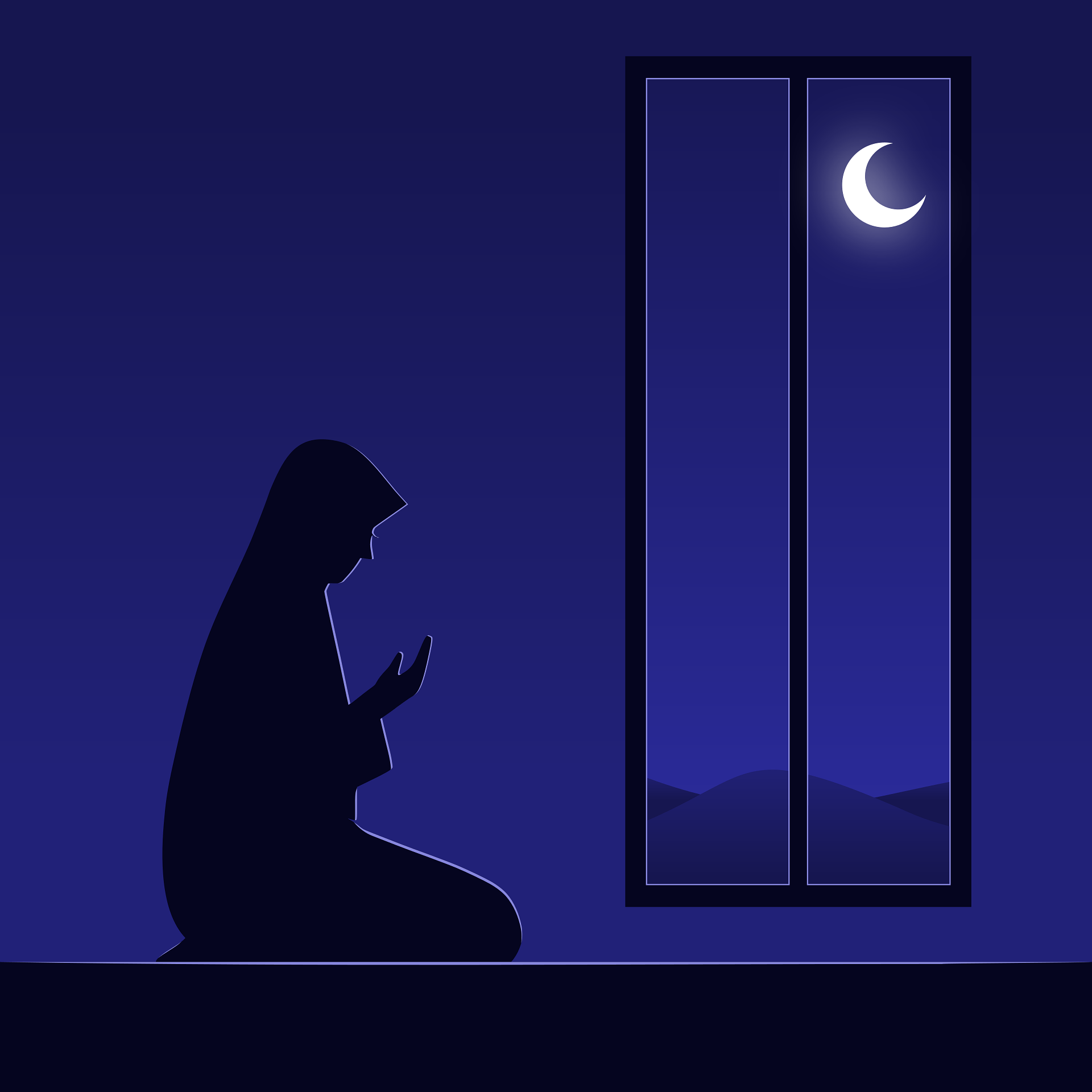
Islamic ethics for kids are the values and manners that Islam encourages like kindness, patience, mercy, respect, honesty, and gratitude among others. Raising children with good character in Islam requires inspiring them to practice Islamic ethics which means: doing the things that please Allah and engaging in behaviours that align with the Prophet's ﷺ Sunnah. Islamic ethics are not just rules for children to memorize. They are values that should be practised in daily life, like helping an elderly, telling the truth, avoiding foul language, and showing respect to parents and friends.
All humans begin their journey the same way, equal in the mother’s womb. Yet as they grow, it is their character that defines their true worth. Islamic ethics for kids emphasize deeply on building character. A person’s real value is defined by their good character in Islam and is reflected through honesty, kindness, and humility.
Islamic ethics are the moral principles and values derived from the Qur’an and Sunnah that guide how Muslims think, act, and interact with others. Practicing Islamic ethics daily ensures children grow with good character in Islam, rooted in honesty, kindness, patience, and respect.
In Islam, good character is what makes someone a high-value person. The best example of good character is in the life of the Prophet ﷺ, the role model for all Muslims. Unlike the modern world which defines a high-value person by their wealth, popularity, or possessions, Islam declares inner worth, strong morals, and a heart guided by Islamic ethics as the measure of a person's true worth. A true high-value person shows kindness, honesty, and respect in all they do, striving to achieve good character as defined in Islam. This is the foundation for raising children who shine through their virtues.
In Islam, good character is one of the most important parts of a person’s life. The Qur’an teaches us to be honest, kind, and humble in everything we do.
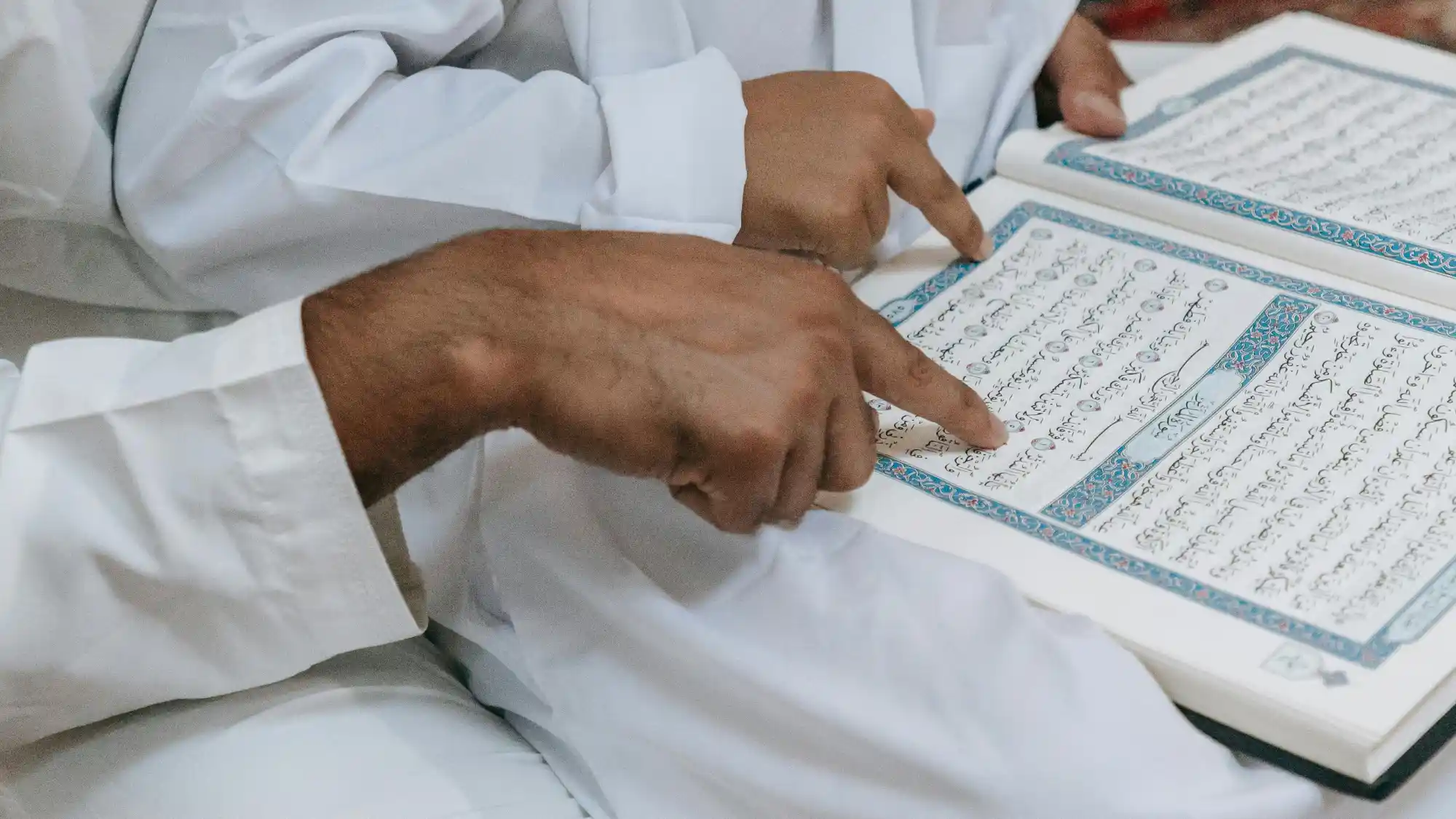
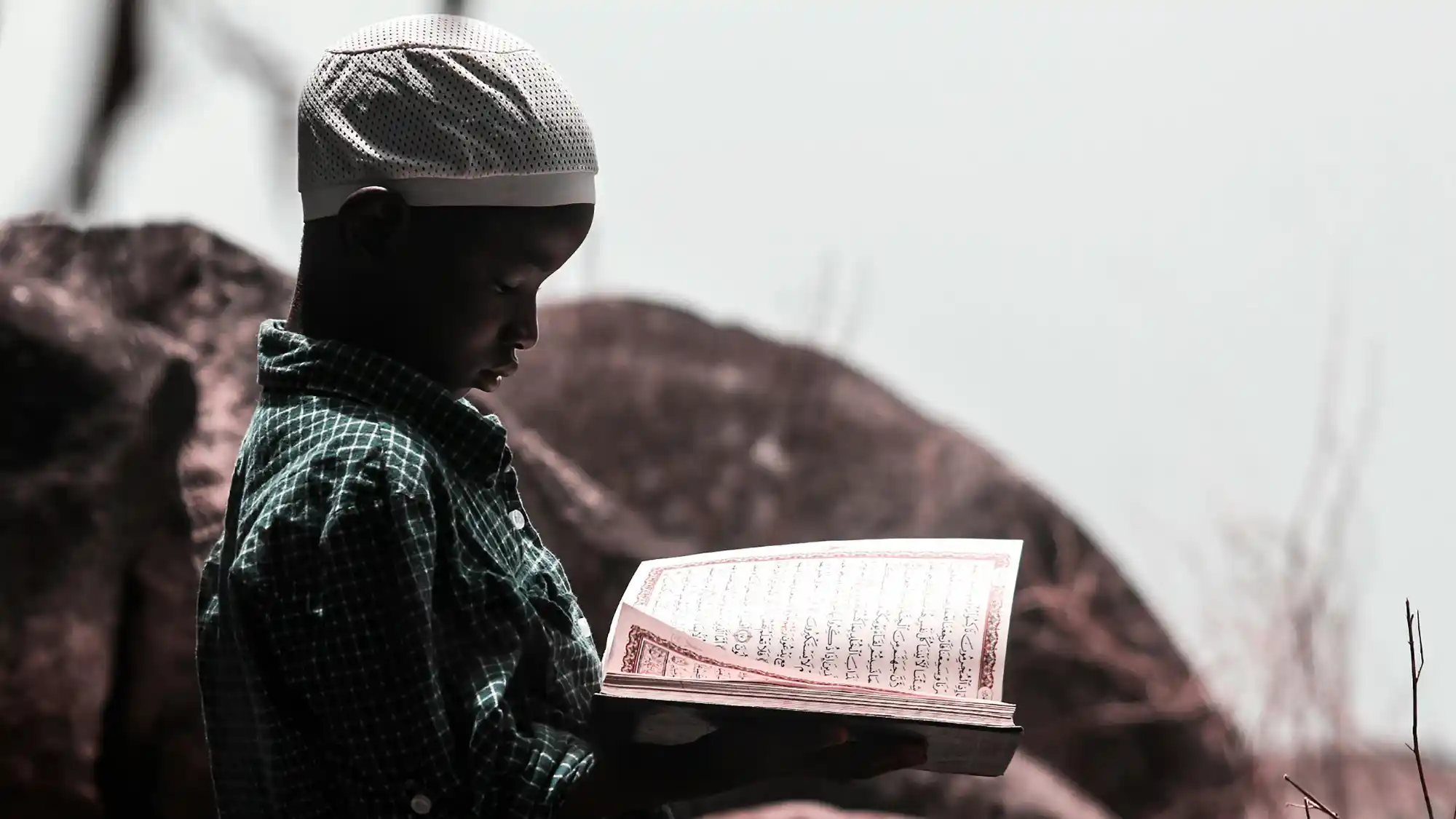
Allah Almighty has said in the Quran:
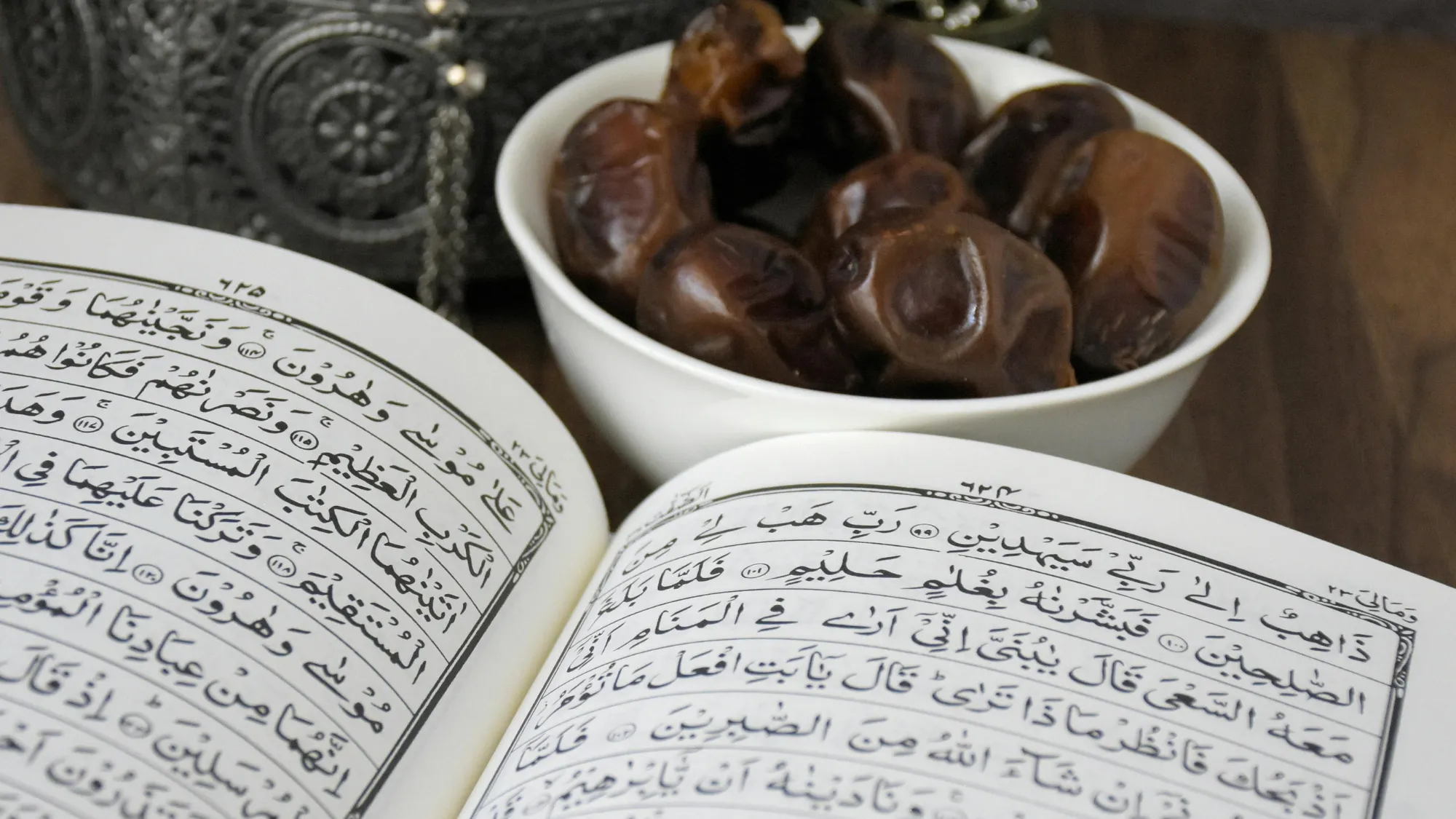
كُنتُمْ خَيْرَ أُمَّةٍ أُخْرِجَتْ لِلنَّاسِ تَأْمُرُونَ بِالْمَعْرُوفِ وَتَنْهَوْنَ عَنِ الْمُنكَرِ وَتُؤْمِنُونَ بِاللَّهِ
"You are the best community ever raised for humanity; you encourage good, forbid evil, and believe in Allah" (Surah Al Imran: 110).
The Prophet ﷺ highlighted the importance of good character by saying:
“The most beloved of people to Allah on the Day of Judgment and the closest to Him will be the one with the best character” (Sahih al-Bukhari 3559).
Good character in Islam not only shapes how we act but also helps create peace and harmony around us. Honesty, patience, humility, and kindness are at the heart of Islamic ethics. They help children and adults live meaningful and respected lives.
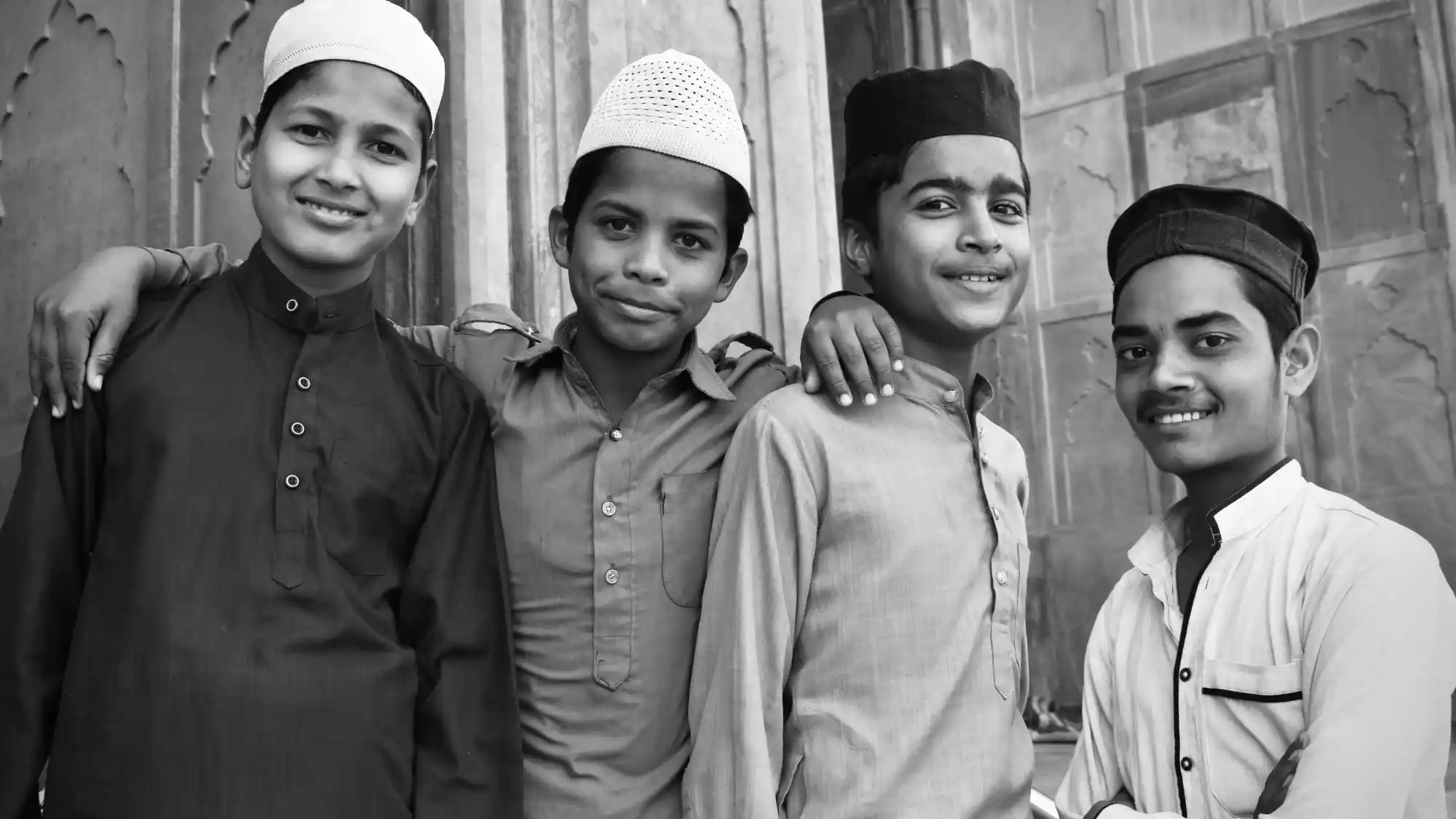
Teaching children Islamic ethics from a young age helps shape who they are. Their ethics shape their character, faith, and how they treat others. Honesty, kindness, patience and respect teach children to become caring and responsible adults.
If we don’t teach these values, children may struggle to make good choices, face conflicts in relationships, or miss out on understanding the beauty of good character in Islam. Guiding them gently in ethics helps their hearts grow strong, confident, and rooted in faith.
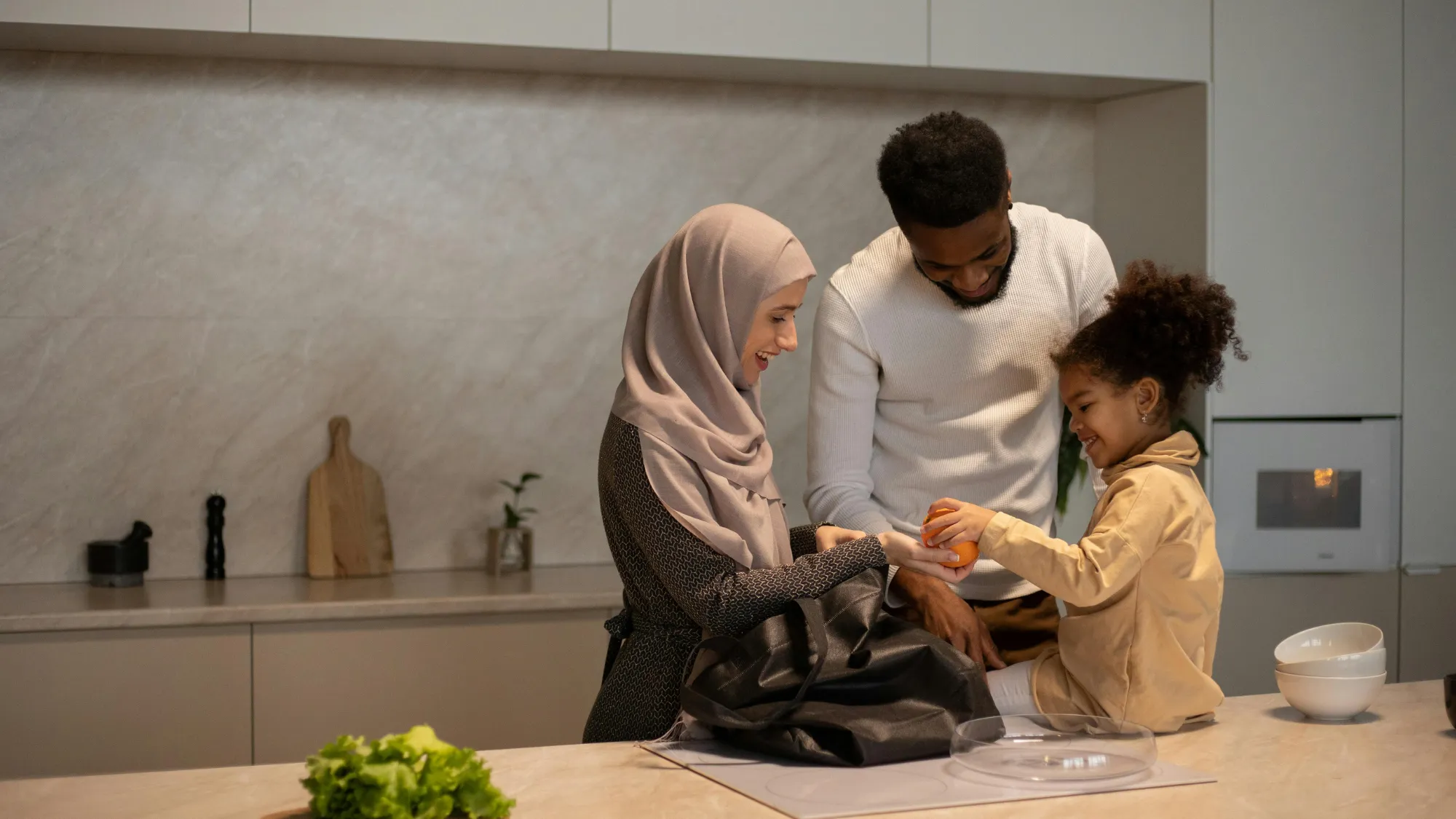
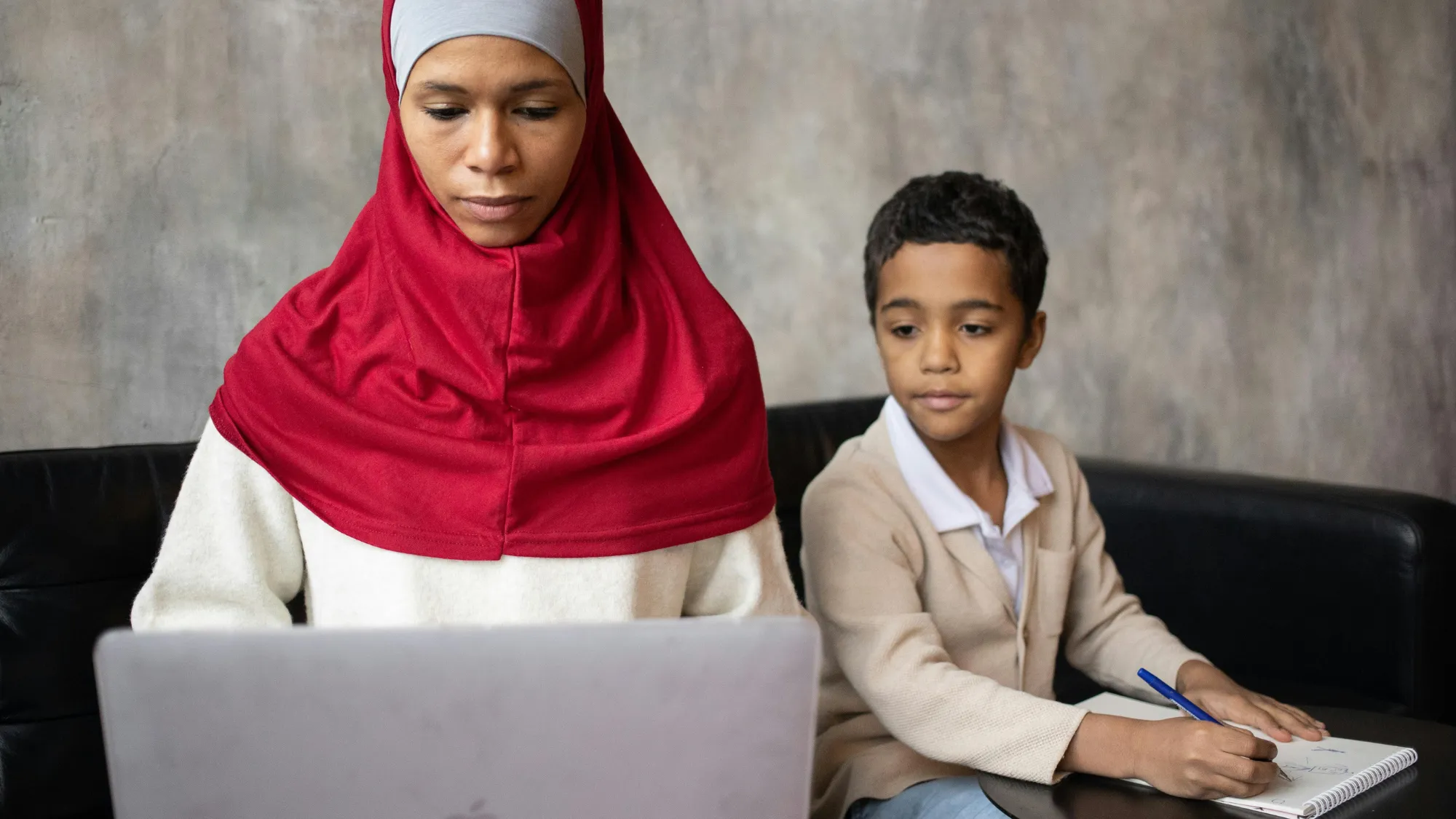
Islamic ethics are not only taught in lessons but lived daily in the small moments at home. When parents model Islamic ethics like truthfulness, gentle speech, and fairness, children begin to understand what good character in Islam looks like in real life. It shows how we apologise after mistakes, how we forgive quickly, and how we treat each other with respect when we disagree. A home rooted in Islamic ethics makes kindness a daily habit and patience a family strength. Over time, these routines shape hearts, build confidence, and raise children who carry good character in Islam wherever they go.

Practising Islamic ethics can help children set a foundation for their strong character. It will guide them to be kind, honest, and make wise choices throughout their lives. Here are 5 practical ways to teach Islamic ethics to children that we can incorporate in daily life:
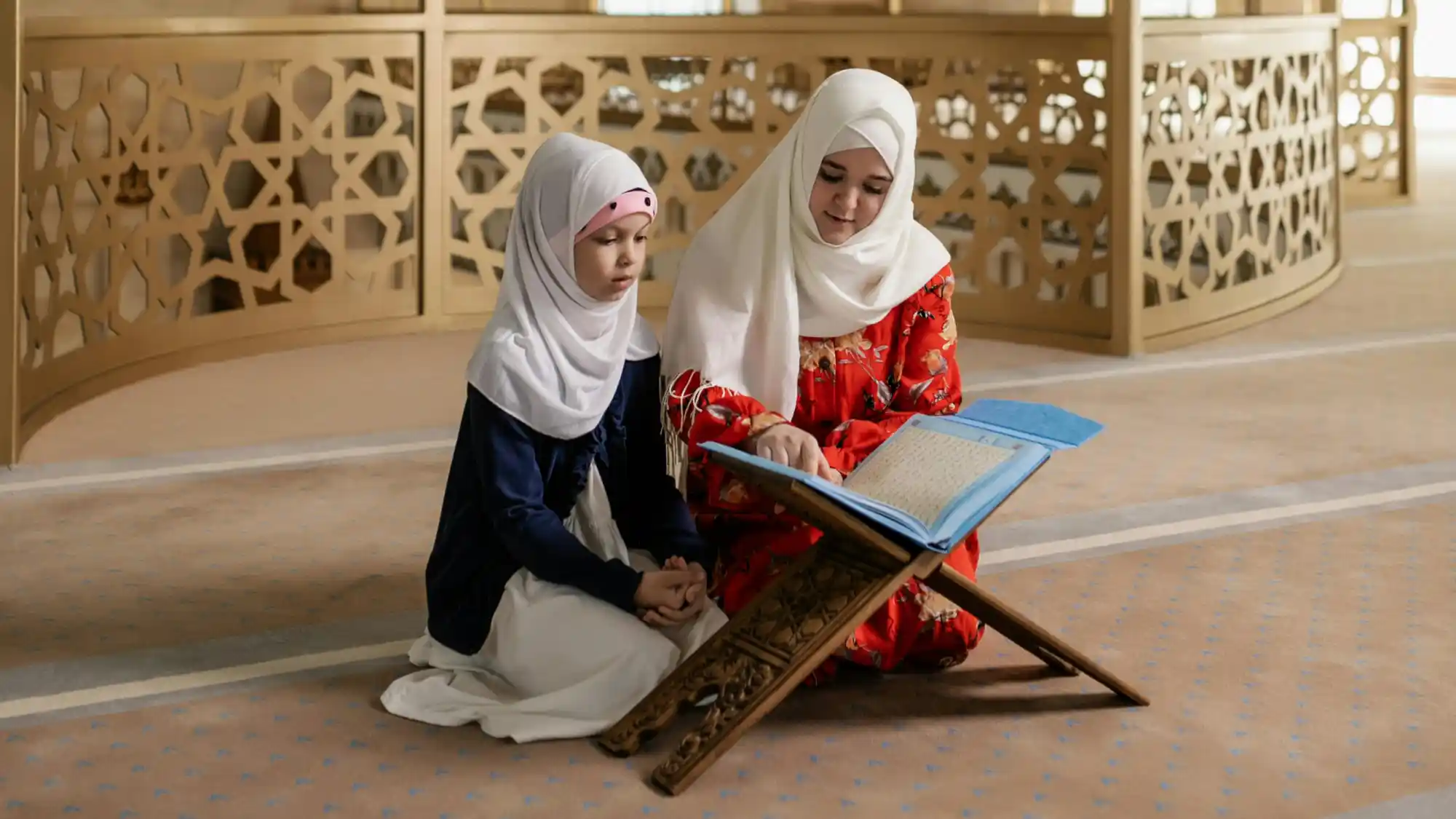
Share stories from the Qur’an, Hadith, or Islamic history that highlight honesty, kindness, patience, and courage. Stories make lessons memorable. They help children understand the importance of good character in Islam.
Children learn more by observing adults than by being taught. Demonstrate honesty, respect, and compassion in your daily actions so they can see Islamic ethics in practice.
Encourage children to think about their actions and choices. Ask gentle questions about right and wrong. Help them align their behaviour with the requirements of good character in Islam.
Teach children to thank Allah and appreciate what they have. We can introduce a simple routine like saying Alhamdulillah for everything. We can guide them to keep a gratitude journal to nurture humility and contentment.
Teach compassion to your children. Involve them in helping others. For example, feeding the needy, visiting the sick, or participating in community projects. Acts of service strengthen empathy, kindness, and practical understanding of Islamic ethics.
The Prophet ﷺ is the best role model for good character in Islam. His life was full of lessons in kindness, honesty, patience, and fairness.
He ﷺ cared deeply for the orphans. He ﷺ personally helped and supported young children who had lost their parents.
There are many examples of kindness and forgiveness from the life of Prophet ﷺ. Just take the example of the people of Ta’if who rejected and mistreated him. They threw stones at him and drove him out. But he ﷺ did not seek revenge. Instead, he ﷺ prayed to Allah for their guidance.
Even the non-Muslims had faith in the honesty of the Prophet ﷺ. He was known as Al-Amin (the Trustworthy) for always being truthful and fair in his dealings with others.
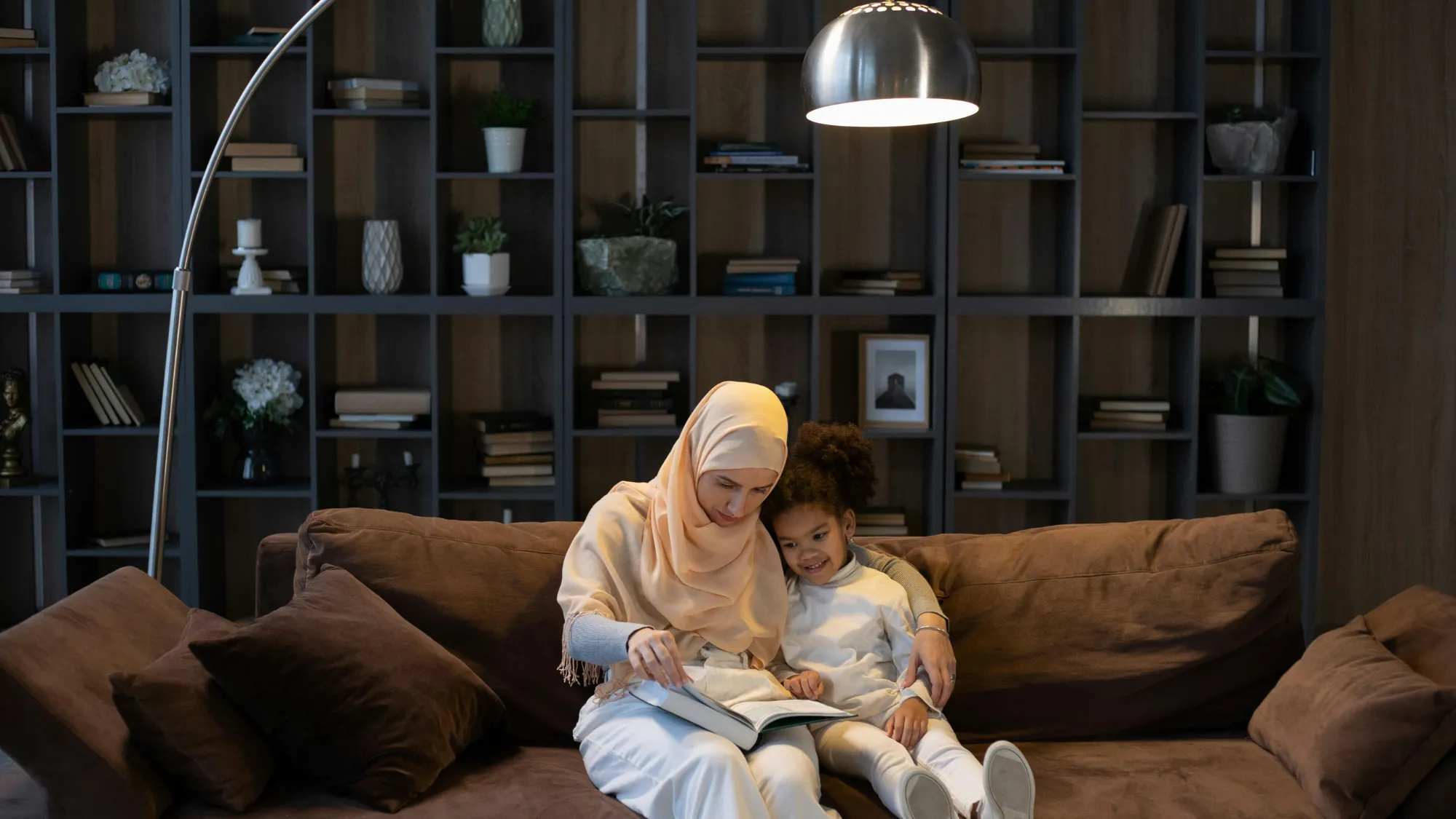
Stories are one of the most powerful ways to teach Islamic ethics to children. When children read or listen to stories, they don’t just learn, they feel, imagine, and connect with the lessons in a meaningful way. Characters and events help children to understand what good character in Islam looks like.
When we raise children with strong Islamic ethics and good character in Islam, we nurture individuals who bring goodness. High-value Muslims who are honest, kind, and compassionate strengthen families, uplift communities, and spread peace in society. Their integrity and empathy become the foundation of a world where justice, respect, and mercy guide every action.
When hearts are nurtured with Islamic ethics, goodness flows beyond the home, lighting the path for a kinder, stronger ummah.
A: Islamic ethics are the moral principles and values derived from the Qur’an and Sunnah that guide how Muslims think, act, and interact with others. Practicing Islamic ethics daily ensures children grow with good character in Islam, rooted in honesty, kindness, patience, and respect.
A: In Islam, good character is what makes someone a high-value person. The best example of good character is in the life of the Prophet ﷺ, the role model for all Muslims. Unlike the modern world which defines a high-value person by their wealth, popularity, or possessions, Islam declares inner worth, strong morals, and a heart guided by Islamic ethics as the measure of a person's true worth. A true high-value person shows kindness, honesty, and respect in all they do, striving to achieve good character as defined in Islam. This is the foundation for raising children who shine through their virtues.
A: In Islam, good character is one of the most important parts of a person’s life. The Qur’an teaches us to be honest, kind, and humble in everything we do. Good character in Islam not only shapes how we act but also helps create peace and harmony around us. Honesty, patience, humility, and kindness are at the heart of Islamic ethics. They help children and adults live meaningful and respected lives.
A: Teaching children Islamic ethics from a young age helps shape who they are. Their ethics shape their character, faith, and how they treat others. Honesty, kindness, patience and respect teach children to become caring and responsible adults. If we don’t teach these values, children may struggle to make good choices or face conflicts in relationships. Guiding them gently in Islamic ethics helps their hearts grow strong, confident, and rooted in faith.
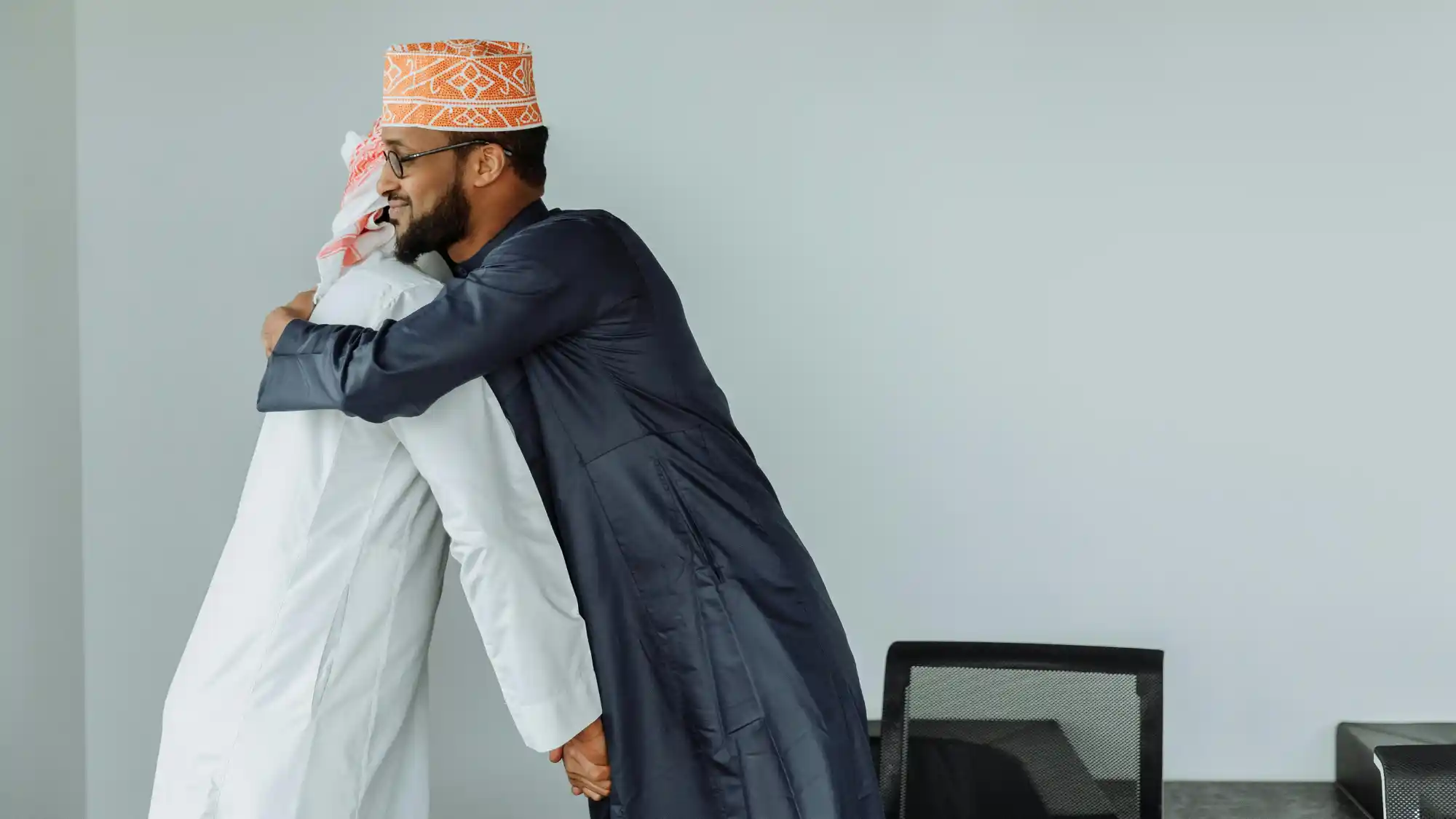
A: Islamic ethics are not only taught in lessons; they are meant to be lived daily in the small moments. We can practise Islamic ethics in daily life by apologizing after mistakes, forgiving quickly, and treating each other with respect when we disagree. Parents can role model good behaviour so their children naturally adopt the values that make them high-value in the eyes of Allah. Following the Prophet's ﷺ example in caring for others, helping those in need, and being kind to our families also helps us practice Islamic ethics while following the Sunnah.

.svg)
.webp)

$
12.99
12.99
12.99
£
10.49
12.99
12.99
12.99
12.99
12.99
Best Seller
April 3, 2026
Best Seller
Family
Values
$
13.99
13.99
13.99
£
11.49
13.99
13.99
13.99
13.99
13.99
Best Seller
April 3, 2026
Adventure
Values

$
13.99
13.99
13.99
£
11.49
13.99
13.99
13.99
13.99
13.99
Best Seller
April 3, 2026
Adventure
Values





.webp)
.webp)
.webp)
Be the first to know about our latest books, coupons, and giveaways!


.svg)


.webp)

Sign up today and get 10% off your first order!
Use this discount code at checkout: TENOFF










.jpg)


.jpg)
.jpg)































-min.webp)