

January 5, 2026

Free Shipping On Orders Above $75



Too often, we’re told to “just have patience.” But sabr in Islam isn’t about bottling emotions or pretending everything is okay. It’s about facing life’s tests—the small and the big—with faith and strength. It’s about trusting that Allah will never burden us beyond our capacity to bear, knowing that He is with us throughout the tough time, and constantly seeking His help to face challenges without giving up. Sabr in Islam brings comfort to our hearts when we trust that Allah sees what the world doesn’t.
Let’s explore how patience in Islam is powerful, not passive. And how sabr can take you from buried anger to a calm, enduring soul.
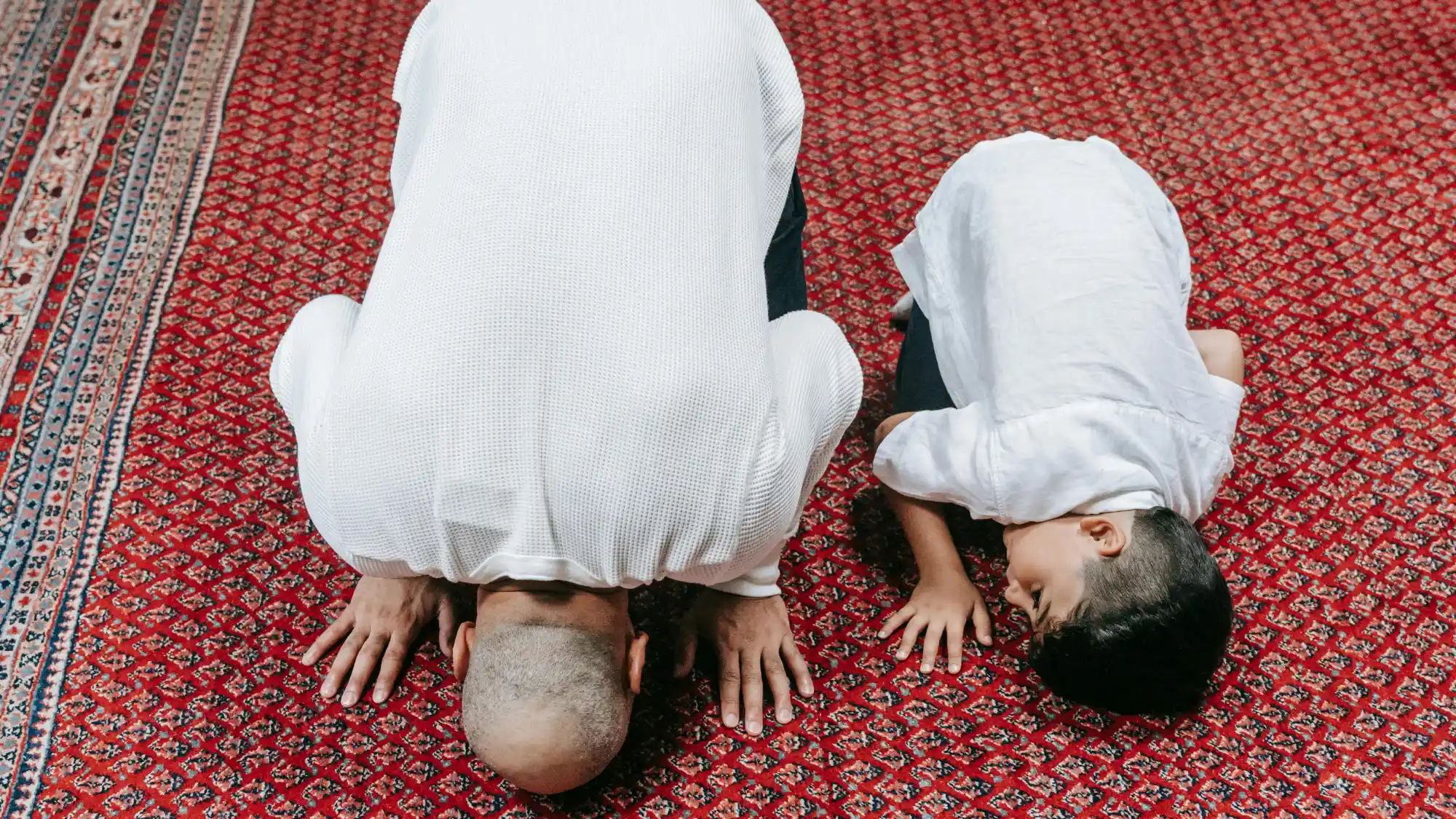
Waking up for fajr. Holding back a sharp tongue. Making wudu when it’s cold. It’s not always easy—but every small act of obedience is a seed of sabr in Islam. Allah reminds us:
“Bid your people to pray and be diligent in observing it...” (Surat at-Taha: 132).
Even the Prophet ﷺ faced exhaustion but never abandoned worship. That’s sabr in obedience: consistent, sincere, and full of love for Allah.
Think of a time you pushed through spiritual fatigue. That’s sabr too.
Sabr also means saying no even when every desire is pulling you to say yes. It’s choosing not to watch something inappropriate even when everyone else is. It’s lowering your gaze when no one else does. It’s walking away from gossip, even though your heart wants to stay and listen.
The Prophet ﷺ said:
“The Paradise is surrounded by hardships and the Hell-Fire is surrounded by temptations” (Sahih Muslim 2822).
Patience in Islam is reflected in the everyday victories when you choose Allah over your nafs. Resisting sin takes more strength than giving in. This kind of sabr is the kind only Allah sees and rewards.
This is the type of sabr we hear about the most: patience in suffering. Prophet Ayyub (AS) lost everything, yet he still turned to Allah and said:
“I have been touched with adversity, and You are the Most Merciful of the merciful” (Surat al-Anbya: 83).
He (AS) didn’t hide his pain. He brought it to Allah. That’s real sabr—not pretending you're fine, but surrendering with trust. Whether it’s losing a loved one, battling illness, or experiencing heartbreak, sabr holds your heart when nothing else can.

Whatever you’re going through, don’t say a word. Never complain about your suffering. Don’t talk about your feelings. Those are the kind of things we hear daily, even from the people closest to us. And that;s because—unfortunately—a large part of the Muslim community has misunderstood the concept of sabr in Islam.
Patience in Islam does not mean you stay quiet when you’re hurt, especially when someone wrongs you. Allah doesn’t demand that we smile while we’re breaking inside. And He absolutely does not encourage us to accept injustice and call it patience.
Buried anger isn’t sabr. It leaks into our relationships, our health, and our hearts. Real sabr in Islam is about acknowledging our pain but not letting it control us. That’s the kind of sabr that becomes our strength. It helps us turn to Allah and ask Him, “Ya Rabb, guide me through this.”
Even the Prophet ﷺ cried at the death of his son. Even Maryam (AS) expressed her grief and fear to Allah about having to go back to her people with a child in her arms. Even Prophet Yaqoob (AS) weeped for his son until his eyes turned white. These were some of Allah’s dearest servants—and He didn’t ask them to hide their feelings or bury their pain; He comforted them every time by sending His angels to convey glad tidings.
Sabr isn't easy, even for the strongest of believers. And that's exactly why Allah has promised exceptional rewards for practising patience in Islam. Allah doesn’t just see sabr. He honours it. Here are some of the comforting verses from the Qur’an that can bring peace to us in times of hardship:
“Indeed, Allah is with the patient” (Surat al-Baqarah: 153).
“The patient will be given their reward without measure” (Surat az-Zumar: 10).
No number. No limit. Just infinite reward for every moment you hold on with faith.
The Prophet ﷺ said:
“And whoever remains patient, Allah will make him patient. Nobody can be given a blessing better and greater than patience” (Sahih al-Bukhari 1469).
In Islam, we are not required to bottle up our emotions in the name of patience; but that also doesn’t mean we let sabr turn into anger or frustration. True sabr in Islam is about having faith in Allah—knowing that He sees and rewards every suffering, remembering that He doesn’t testy us beyond our capacity, and trusting Him to bring us out of every difficulty. It is this idea of patience in Islam that turns every hardship into an opportunity for growth, every vulnerable moment into a a source of strength.
Here’s how we can move from anger to endurance by practising patience in Islam:
Acknowledge the Pain: You can cry and still have sabr. The Prophets (AS) cried and expressed their sadness, yet they are the perfect examples of sabr in Islam. Prophet Yaqoob (AS) even said, “I complain of my anguish and sorrow only to Allah” (Surat Yusuf 12:86).
Redirect the Emotions: Let that emotion push you toward Allah through dua, prayer, journaling, or reflection. The perfect examples of sabr in Islam—the Prophets—never let their struggles shake their iman. Their hardships only brought them closer to Allah because they understood: Allah puts us in difficult times to draw us closer. Hardships are always a reminder that Allah is the One in control—and how every blessing we have is only possible because of Him.
Practice Sabr Daily: Use the little tests like traffic, delays, and misunderstandings to build muscle for the bigger ones. The tests that feel overwhelming today will seem like the best times of your life tomorrow when you look back and see how much stronger you’ve become because of them. Value both the good and the bad times for each has a purpose in the divine plan.
Sabr in Islam is leadership of the soul. It’s what turns wounds into wisdom. It’s what keeps believers standing when life tries to knock them down. So, the next time pain visits you, let sabr be your calm anchor in the storm.
And remember: Allah is always near. So flow through what you can't control, and trust the One who controls it all.
A: Sabr in Islam means facing life’s tests—the small and the big—with faith and strength. It’s about trusting that Allah will never burden us beyond our capacity to bear, knowing that He is with us throughout the tough time, and constantly seeking His help to face challenges without giving up. Sabr in Islam brings comfort to our hearts when we trust that Allah sees what the world doesn’t.
A: The 3 types of sabr in Islam include:
1. Sabr in Obedience: Obeying Allah even when it is difficult.
2. Sabr in Resisting Sin: Staying away from things that displease Allah, no matter how much our nafs pulls us to chase our desires.
3. Sabr in Trials and Pain: Not giving up or abandoning religious obligations or faith during tough times.
A: The Prophet ﷺ said: “And whoever remains patient, Allah will make him patient. Nobody can be given a blessing better and greater than patience” (Sahih al-Bukhari 1469).
A: Practising sabr when we’re angry is part of our obedience to Allah; it is an essential part of our iman. This is only possible when we constantly remind ourselves of our true purpose in life, engage in dhikr regularly, and seek Allah’s help for becoming patient consistently through dua. Say A‘ūdhu billāhi min ash-shayṭānir-rajīm (“I seek refuge in Allah from the accursed Shaytan (Satan).”) whenever you’re angry. Remind yourself of the times Allah has been merciful to you and try to be merciful to His creation as a form of gratitude.

.svg)

.webp)

$
12.99
12.99
12.99
£
10.49
12.99
12.99
12.99
12.99
12.99
Best Seller
April 3, 2026
Best Seller
Family
Values

$
13.99
13.99
13.99
£
11.49
13.99
13.99
13.99
13.99
13.99
Best Seller
April 3, 2026
Adventure
Values

$
13.99
13.99
13.99
£
11.49
13.99
13.99
13.99
13.99
13.99
Best Seller
April 3, 2026
Adventure
Values







.webp)
.webp)
.webp)
Be the first to know about our latest books, coupons, and giveaways!


.svg)


.webp)


Sign up today and get 10% off your first order!
Use this discount code at checkout: TENOFF









.jpg)



.jpg)
.jpg)



































-min.webp)